
One in 18 used car buyers now goes electric, and that changes what a write-off costs
Used EV sales rose 67% in the second quarter, to a record 110,761 cars. A second-hand market that barely existed three years ago is now real, and it runs entirely on confidence in the battery.
The used electric car market has stopped being a rounding error.
In the second quarter of 2026, 110,761 used battery-electric cars changed hands in the UK, up 67% on the same quarter last year and a record. More than one in every eighteen used car buyers drove away in an EV. A year ago it was closer to one in thirty.
The monthly pattern tells its own story: April up 110.9%, May up 57.6%, June up 37.8%. The pattern is a market finding its floor and climbing off it.
It happened against a flat backdrop. The used car market as a whole grew 0.7% in the quarter, to just over two million transactions. Conventional petrol and diesel still account for 86.7% of everything sold. Hybrids grew 31.2%; plug-in hybrids fell 6.8%. The growth is concentrated almost entirely in fully electric cars, the segment the trade press was writing off as a residual-value disaster eighteen months ago.
What a second-hand market is made of
A new-car market runs on marketing. A second-hand market runs on trust.
People buy a five-year-old EV because they believe the battery has years left in it, and because if something goes wrong, they believe there’s an answer short of scrapping the car. Every one of those 110,761 transactions is somebody making that bet.
Which is why the battery question stops being technical the moment a used market gets going. It becomes the thing the whole market is priced on.
The write-off maths moves with it
Here’s what rising used values quietly do to a claim file. When a damaged EV is worth very little, almost any battery question tips it into total loss, because the repair maths can’t compete with the payout maths. When the same car is worth meaningfully more, the calculation shifts: assessment becomes worth commissioning, repair becomes worth pricing, and the pack deserves an answer rather than an assumption.
The reverse is also true, and it’s the part the figures don’t show. Every EV written off over a pack that could have been repaired is a car permanently removed from a second-hand market that has only just started to grow. Do that at scale through the 2030s and the cheap end of the market, the £5,000 first car and the forecourt that sells it, has nothing left to sell.
A used market that grows 67% in a quarter and then loses its stock to premature write-offs is a leaking market.
Confidence has to be made
The thing that keeps this growth compounding is evidence: knowing what a pack has really been through, what it still holds, and whether it can be repaired rather than replaced.
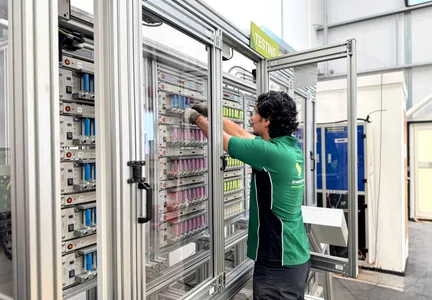
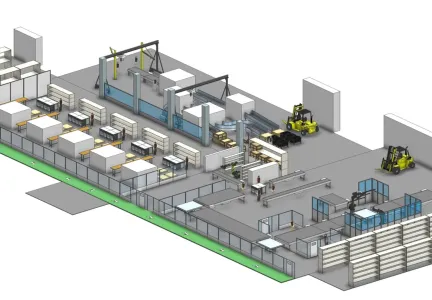
That evidence gets made at the point where packs are opened and measured properly. Every pack that crosses GreenTech Industries’ precision disassembly line returns state-of-health data, serviceability findings, and a documented record of what failed and what didn’t: the raw material of a market that can price electric cars on knowledge instead of worst-case assumption.
The buyers have made their move: one in eighteen, and climbing. The industry’s job now is to make sure the cars they’re buying have somewhere to go other than the shredder when the pack stops.
Source: SMMT UK used car market figures, Q2 2026, published 11 August 2026.