


Regeneration: Asset Management
Re-energise. Repair.
Keep fleets moving.
GreenTech Industries regenerates the packs your fleet already owns: modules re-energised, faulty cells replaced, packs rebuilt and returned with the full diagnostic record. EV batteries depreciate faster than the vehicles they’re in, and replacing them costs more than most vehicles are worth. Regeneration keeps fleets earning on the assets they already paid for.
What it is
EVs are failing before they’ve paid for themselves.
Fleet operators see electric vehicles failing prematurely: vehicles that haven’t reached break-even, standing in the yard, costing money every hour they’re not moving people or goods. And when they go back for a replacement, the OEM that built the drivetrain is often no longer there, and replacing everything costs more than the vehicle is worth. By any conventional route, the vehicle is beyond economic repair. By 2030, 28,000 tonnes of EV batteries reach end of first life in the UK every year, rising to 235,000 tonnes by 2040 (SMMT).
Asset Management closes that gap. We take packs that have reached end-of-first-life but still have modules with usable state of health, re-energise what’s good, repair what isn’t, and return them to operation. Fleet operators keep their vehicles running on the assets they already own.
The service, at a glance
- Pack-level regeneration with full traceability
- Module re-energisation & repair to PPAP/PSW standards
- Cell-level state of health diagnostics, every module
- Diagnostic data returned to operators
- Compatible with OEM warranty workflows
- Lower cost of ownership across the fleet life
And the diagnostic data goes back with the pack. State of health per cell, expected remaining life, and the chain-of-custody record. Operators see exactly what they’re getting, and what the next service interval looks like.
These vehicles move goods or people. Every hour one stands still costs the operator money.
Regeneration before replacement. The vehicle goes back to work because the pack did.
How it works
From intake to return,
with the data to prove it.
Every pack that comes in is treated as a recoverable asset until the diagnostics say otherwise. Fleets can also send packs for the health check alone and get the full diagnostic record back.
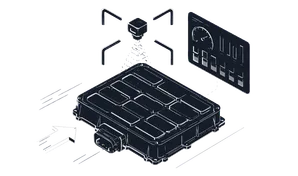
Intake & health check
Pack arrives, safe isolation completed, Rapid Battery Assessment (RBA) runs across every module. Cell-level state of health, internal resistance, and capacity logged per cell.
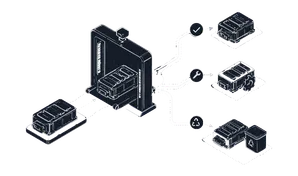
Module triage
Each module graded: re-energise, repair, or route out for material recovery. Grading is decided on test data, because what looks fine and what tests fine can differ.
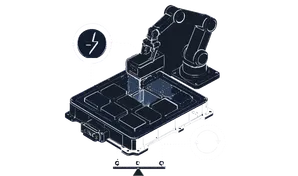
Regeneration
Modules re-energised, faulty cells replaced, balancing completed. Packs reassembled to automotive-grade standards (PPAP/PSW). Every cell traced from intake through to ship-out.
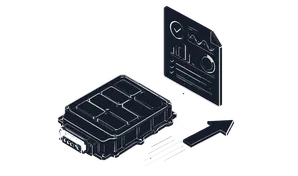
Return + diagnostic handover
Pack returns to the fleet operator with a full diagnostic record: state of health per cell, expected remaining service life, recommended next-service interval. The data follows the asset.
The vehicle is usually fine. It’s the pack that’s stopped. We re-energise the modules, remanufacture the pack, and replace what’s failed with parts of the same working age, then send it back and the vehicle goes back to work. We’ve done it.
The fewer packs we have to write off, the further the UK’s existing battery investment goes.
What it changes
Less downtime. More road time.
Road time is uptime: the ability to move people or goods, and charge for it. Every hour a vehicle stands is a cost, and regeneration gets it back into service for less than a replacement pack.
Pack-level
State of health diagnostics returned to the operator with every regenerated unit.
Cell-level
Granularity: internal resistance, capacity, expected remaining life, recorded per cell.
Fleet-wide
Cost-of-ownership reduction: repair and re-energise instead of replace.
Every regenerated pack saves the UK importing the materials for a new one.
Built for the people who run
EVs at scale.
Wherever the battery is the limiting factor, whether on cost, confidence or residual value, regeneration is the lever. We work with the operators carrying that risk every day.
Fleet operators.
Bus, van, HGV, and last-mile delivery fleets. Keep vehicles on the road through a second life of the battery, with the data to support warranty, maintenance, and resale decisions.
Explore more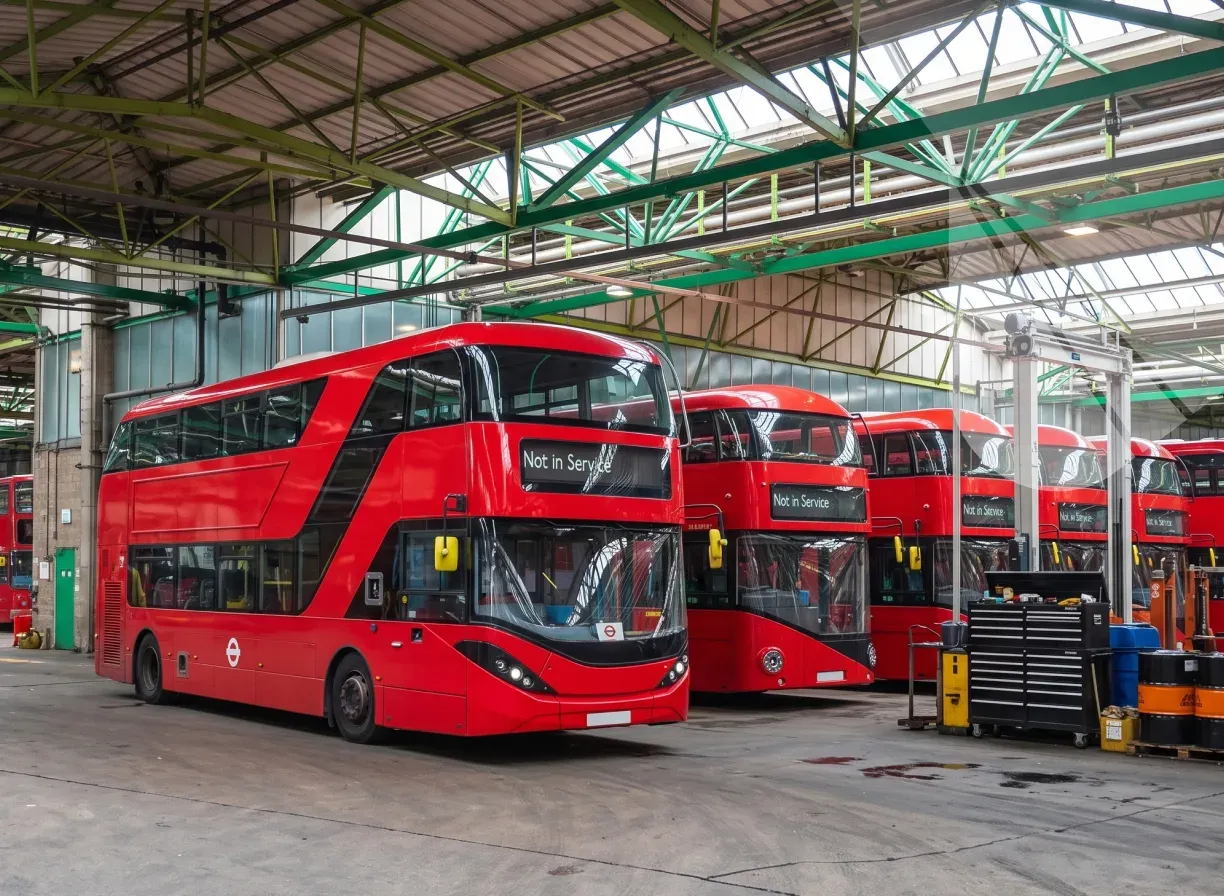
OEM aftermarket.
Replacement packs costing less than new-build. Regenerated modules to PPAP/PSW standards, compatible with OEM warranty workflows and backed by the full diagnostic record.
Explore more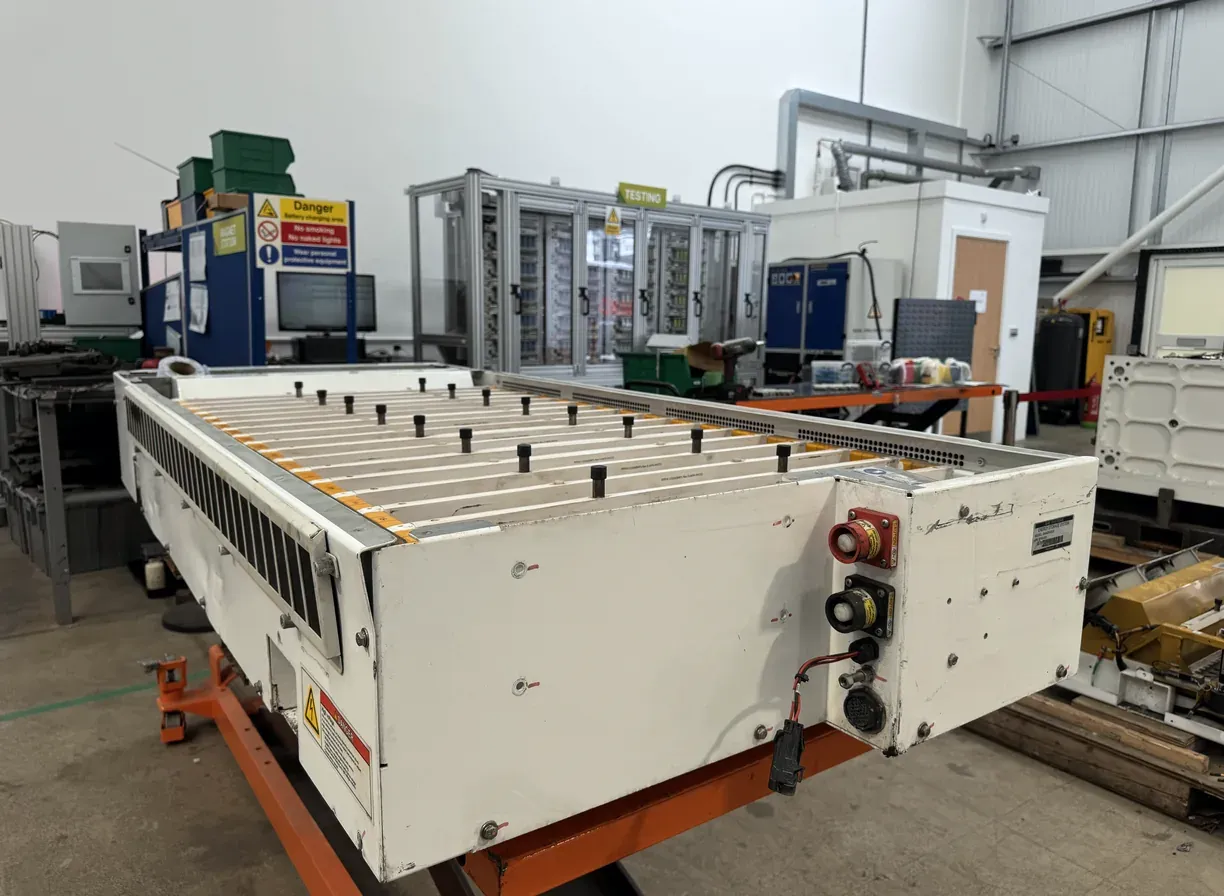
Leasing & financing.
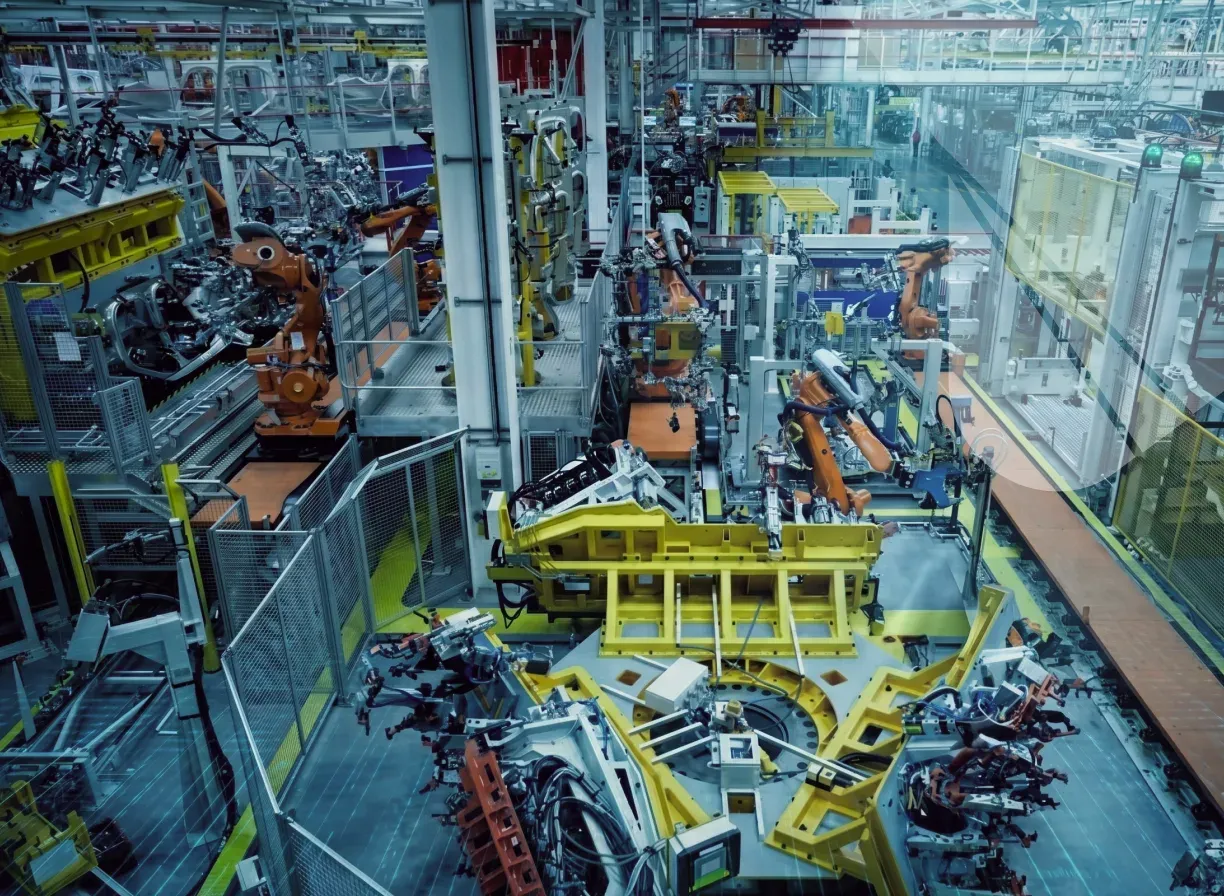
Residual value is the book. Cell-level state-of-health data turns battery condition from an assumption into an auditable number, and regeneration keeps assets earning across their full usable life.
Insurance & Data.
A written-off vehicle can still have a recoverable battery. Diagnostics establish what’s recoverable, regeneration returns the value, and the documentation supports the claim, end to end.
Explore more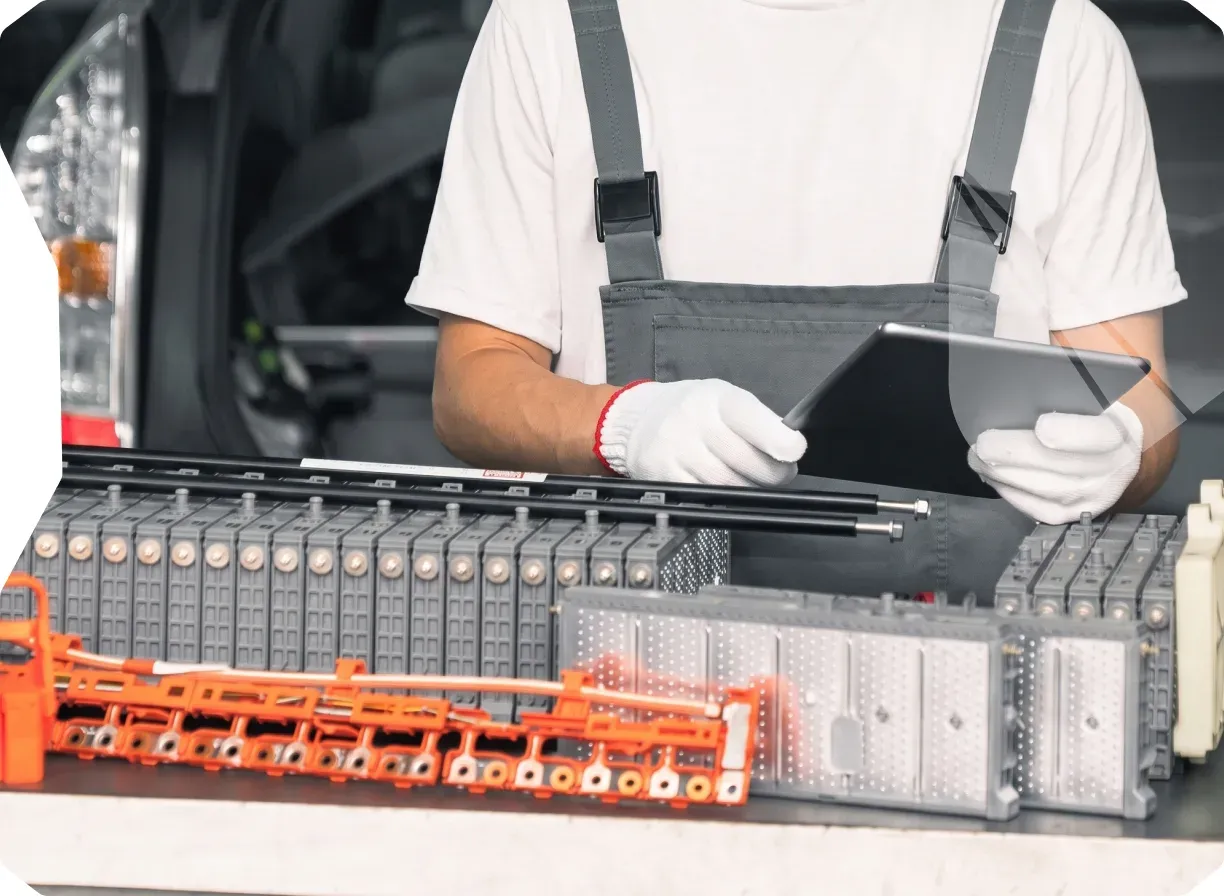
Motorsport.
Race and high-performance EV battery systems carry data and residual value worth recovering, and IP worth protecting. Cell-level analysis, regeneration where it fits, and every report and data point returned to the team that owns it.
Explore more
Wherever a battery is the limiting factor on a vehicle’s residual value, regenerating it usually costs less than replacing it.
Where this fits
Every pack has more than one life.
Regeneration is the middle step. What arrives here has already been recovered by the precision disassembly line. What leaves either goes back into service, or onward to reinvention.
Retention
The Disassembly Service
Keep every pack’s value in the chain. Components, cells, data, and usable life recovered before any cell is crushed.
ExploreRegeneration
Asset Management
Re-energise modules, repair packs, and hand the diagnostic data back to operators. Fleets stay on the road on the assets they already own.
You are here
Reinvention
Product Innovation
Components rebuilt into energy storage and replacement packs. The battery that powered a bus can still power a building.
Explore
Maximising value. Minimising waste.
One depot. Then the whole operation.
In practice
A national bus operator came to us with end-of-life packs from a single depot. We rebuilt the modules and returned them to service at a fraction of the cost of new. Those conversations now cover their national operation.
FAQ
Frequently asked questions
Can an EV battery be repaired?
Often, yes. Where a pack has reached end of first life but still has modules with usable state of health, GTI re-energises what’s good, repairs what isn’t, and returns it to operation. Modules are graded on test data, faulty cells replaced, and packs reassembled to automotive-grade standards (PPAP/PSW).
What does an EV battery health check measure?
Rapid Battery Assessment (RBA) runs across every module, logging cell-level state of health, internal resistance and capacity per cell. The record that comes back gives state of health per cell, expected remaining service life, and a recommended next-service interval.
Can fleets send packs for a health check only?
Yes. Fleets can send packs for the health check alone and get the full diagnostic record back. Every pack that comes in is treated as a recoverable asset until the diagnostics say otherwise.
Is regenerating a pack cheaper than replacing it?
Wherever a battery is the limiting factor on a vehicle’s residual value, regenerating it usually costs less than replacing it. Regeneration gets the vehicle back into service for less than a replacement pack, and fleets keep earning on the assets they already paid for.