

Fleet operators
The same pack, longer usable life.More road time.
GreenTech Industries extends the usable life of the EV battery packs your fleet already runs, regenerated where possible, recovered with full Duty of Care where not, and returned with the data your operations and finance teams need. Every hour a vehicle stands still costs the operation. We keep vehicles on the road and packs in productive use.
What we do for fleets
Three services
for the packs your fleet already runs.
Most fleet conversations start with the same question: what do we do with packs that can’t power vehicles any more? GTI has three answers, and all three point the same way: the fleet keeps running.
- Explore more
retention
End-of-life pack collection from depot
The Disassembly Service
Scheduled depot collection with controlled-environment handling, full chain-of-custody, and waste carrier compliance. Packs that can’t be regenerated are stripped for what’s still useful before any material is shredded. The value comes out first, and the depot keeps moving.
Less downtime
- Explore more
regeneration
Keep vehicles on the road
Asset Management
Module-level diagnostics, re-energisation, and rebuild to automotive submission standards. Packs go back into your service network, and vehicles that stood in the yard go back into service. The diagnostic record follows the asset, there when maintenance and finance need it.
Back on the road
- Explore more
reinvention
Replacement packs for fleet aftermarket
Product Innovation
PPAP/PSW-grade replacement packs built from validated, traced modules. Lower cost than a new-build pack, fully documented, and a credible answer when the question is “do we replace the battery, or do we replace the vehicle?”.
Lower cost
The longest road you’ll get out of any EV is the one where the pack keeps its job, the same job, for longer. That’s the full return on the fleet you already paid for.
The depot reality
Where fleet economics break.
And how we keep them whole.
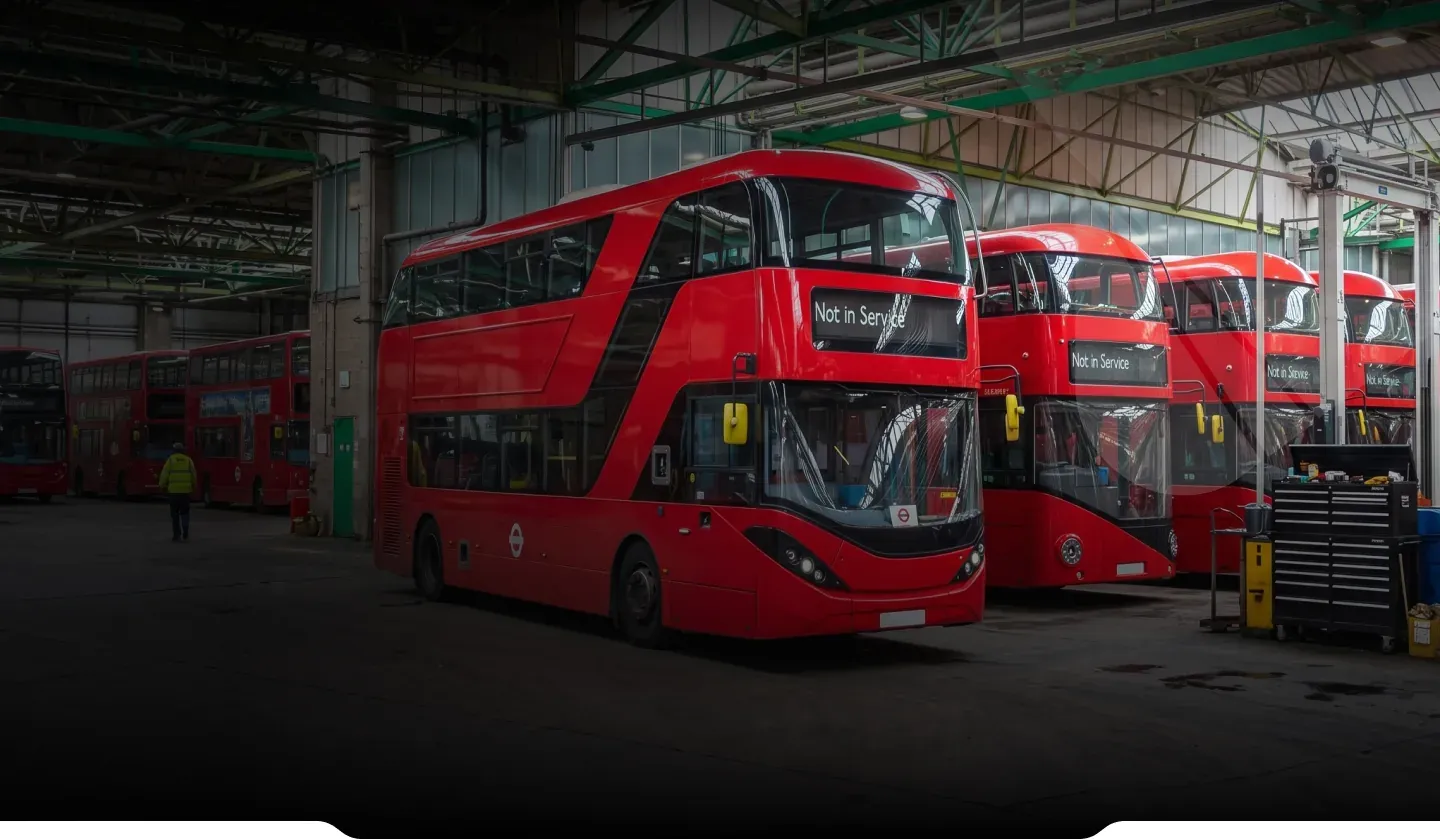
Battery cost above residual value, vehicles standing “not in service” with no replacement pack left to buy, packs stockpiling in depot corners as Duty of Care obligations sharpen, and no visibility of what’s still useful. GTI answers all four.
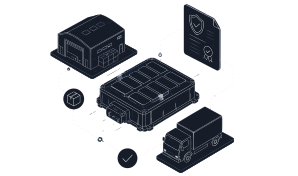
Depot logistics, on-site support and duty of care
Scheduled pickups, safe transport, waste carrier compliance, dangerous-goods documentation, all handled from depot. And the work that has to happen on the vehicle happens on your site: our engineers attend from removal through to refit, and stay until it’s running. Every pack gets a scheduled route out of the depot, with GTI arranging the right transport for it.
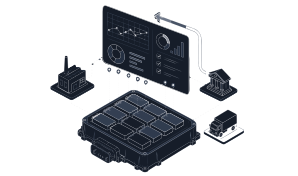
Pack-level SOH data return
Cell-level state-of-health, capacity, internal resistance, and expected remaining life recorded per pack, returned to operations, maintenance, and asset finance. Residuals priced on measured health instead of assumed depreciation curves.
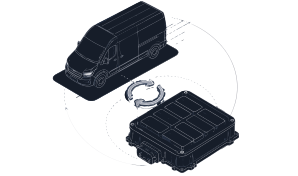
Vehicle uptime through regeneration
Where a pack still has useful service life, modules are tested, regenerated, and returned. The fleet keeps running on the assets it already owns, which matters most when the OEM that built them is no longer there to sell you another.
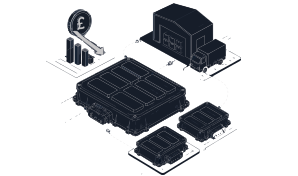
TCO through replacement supply
Where regeneration isn’t viable, OEM-grade replacement packs come back into the chain, costing less than a new-build pack, and keeping vehicles serviceable that a new-build price would have parked for good.
Fleet economics break at the pack. GreenTech Industries is built to fix the pack problem before it becomes the fleet problem.
What you get back
Live work,
at fleet scale.
Fleet directors, asset finance, and depot managers all ask the same things before contracting. These are the answers, from work that’s already running.
14 bus sets · Live
What we’re doing already
A won trial, converted into a fleet contract with a UK national bus operator: 14 heavy-duty bus battery sets processed, pack formats including 26650 and 32113 cells, and a multi-year extension under discussion.
Per pack
Diagnostic data returned with every unit
State of health, internal resistance, capacity, and expected remaining service life recorded per cell. Returned alongside the chain-of-custody record, usable for maintenance planning, asset valuation, and residual modelling.
Bus · van · HGV
Fleet formats handled
Standard operating procedures cover bus, van, HGV, last-mile delivery, and heavy-duty mining pack formats. Every additional variant becomes a new dSOP, validated and added to the library, so the next pack format your fleet adopts onboards faster, and every pack after it turns around faster.
Duty of Care
Compliance per pack, end to end
The Duty of Care and transport documentation each collection needs, with full chain-of-custody documentation returned for every pack. ISO 9001, 14001 and 45001 certified throughout. Compliance audit-ready by default.
- On-site Support
- Faster turnaround
- Data for maintenance, valuation & residuals
The same standard at every depot, for every pack. Vehicles that sat in the yard go back into service.
The legislative landscape
Every pack in the depot
carries a legal duty.
Three frameworks shape what happens to the packs in your depot: Duty of Care, the EU Battery Regulation and producer responsibility. Battery fires on public transport are also drawing regulatory attention, and low-emission-zone contracts penalise buses that can’t run the route.
Duty of Care
What it means for your
operationAlready in force. Every pack stored, transported, or transferred from your depot carries a legal duty of care. Handing packs to GTI is straightforward. We arrange the most appropriate transport for each collection.
What it means for your asset reporting
Battery passport requirements land in stages through 2027. Fleets running EVs into and out of EU markets need provenance data on every pack, the kind GTI returns as standard with every regenerated unit and chain-of-custody collection.
Producer responsibility
What it means for your
supply chainResponsibility for funding end-of-life processing is shifting along the chain. Fleets operating at scale will be expected to demonstrate where their packs go and what happens to them. GTI’s documentation answers that question before an auditor asks it.
Fleet operators that solve the end-of-life question early stop spending money on it later. What comes back is operational: vehicles in service, costs you can plan, documentation on file.
How we work
Three ways into the partnership.
Fleet partnerships are structured around fleet size, depot footprint, and pack-format scope, from scheduled collection to a full lifecycle agreement. The chain-of-custody, operating standard, and per-pack documentation are the same whichever way in.
Depot collection contracts
Mode 01Scheduled depot collection of end-of-first-life packs with full Duty of Care, safe logistics, and chain-of-custody documentation per pack. Set up as a defined-volume agreement; scope and term sized to depot operations and fleet retention plan.
What we need: depot location(s), pack formats, monthly volume forecast, compliance scope.
Asset Management partnerships
Mode 02Pack-by-pack regeneration. Modules tested, faulty cells replaced, packs reassembled to automotive-grade standards, diagnostic record returned. Vehicles come off the not-in-service board and back onto the route. For fleets where a replacement pack costs more than the vehicle is worth, regeneration gets more value from the vehicle you already own.
What we need: pack specification, current write-off rate, target uptime improvement, warranty position.
Lifecycle service agreement
Mode 03End-to-end: collection from depot, regeneration where viable, OEM-grade replacement-pack supply where it isn’t, full compliance documentation throughout. One commercial relationship covering pack-in, pack-back, and pack-out across the fleet life.
What we need: fleet size and EV %, multi-year retention plan, finance team for asset-life modelling.
The job stays the same: keeping the fleet you’ve already paid for on the road.
FAQ
Frequently asked questions
What should a fleet do with EV battery packs that can’t power vehicles any more?
GTI has three answers, and all three keep the fleet running. Packs with useful service life are tested, regenerated and returned. Where regeneration isn’t viable, OEM-grade replacement packs cost less than a new-build pack. Packs that can’t be regenerated are collected from the depot and stripped for what’s still useful before any material is shredded.
Can GTI collect battery packs from our depots?
Yes. Scheduled pickups, safe transport, waste carrier compliance and dangerous-goods documentation are all handled from the depot, with GTI arranging the right transport for each pack. Work on the vehicle happens on your site: GTI engineers attend from removal through to refit, and stay until it’s running.
Does GTI work with electric bus fleets?
Yes. A won trial with a UK national bus operator became a fleet contract: 14 heavy-duty bus battery sets processed, with a multi-year extension under discussion. Standard operating procedures also cover van, HGV, last-mile delivery and heavy-duty mining pack formats.
How does battery health affect a fleet’s residual values?
Cell-level state of health, capacity, internal resistance and expected remaining life are recorded per pack and returned to operations, maintenance and asset finance. Residuals are priced on measured health instead of assumed depreciation curves.