
A thousand fires a year: the battery handling gap, measured
Lithium-ion batteries now cause more than 1,000 fires a year across UK waste operations, and fires at East London facilities alone rose 52% in a year. The operators carrying that risk didn't create it, and the packs are only getting bigger.
The UK waste and recycling sector is fighting a fire problem it didn’t create. Binned in their millions, hidden inside electricals and buried in general waste, lithium-ion batteries now cause more than 1,000 fires a year across UK waste operations. The Environmental Services Association calls it an epidemic. In East London alone, fires at waste facilities rose 52% year on year, with the London Fire Brigade pointing to lithium-ion batteries as the suspected cause in a significant share of them.
The scale of the input problem is startling: an estimated 48 million batteries and small electricals went into household residual bins last year. A majority of surveyed Londoners admitted binning at least one electrical item; nearly six in ten had binned loose batteries.
The operators are carrying a risk they never signed up for
Be clear about where the fault sits: upstream of the facilities. Waste and treatment operators are on the receiving end of energy storage arriving unannounced in streams designed for inert material. Every hidden cell in a bale of scrap is a risk transferred to them, their people, their sites, their insurance premiums and their fire plans.
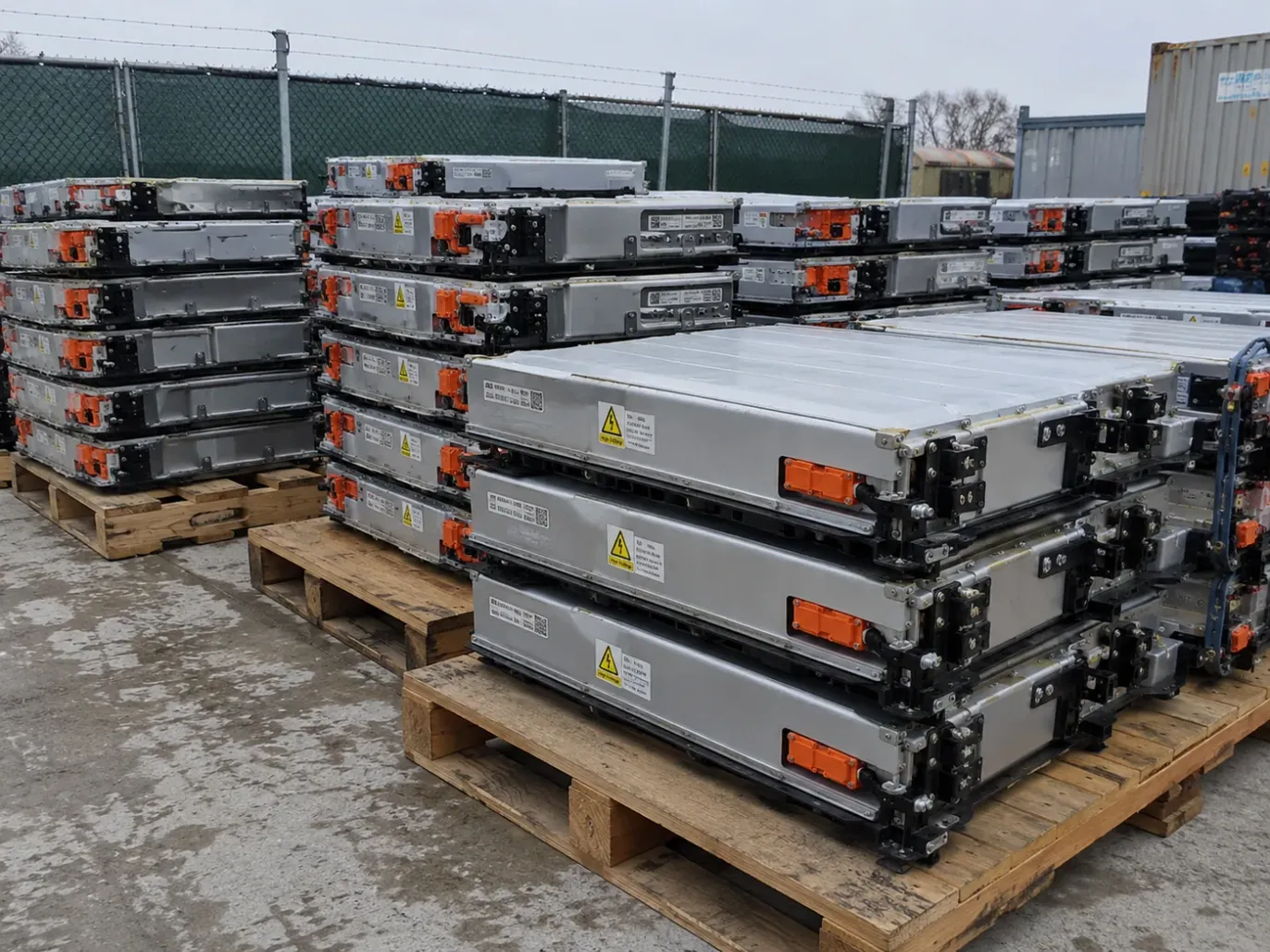
And that’s the small cells. The same exposure is now scaling up. Vehicle recovery yards and treatment facilities increasingly hold crash-damaged, fire-affected, or simply unknown high-voltage EV packs: hundreds of kilograms of stored energy, condition unverified, sitting where a vape battery already counts as a serious hazard.
Specialist risk needs specialist handling
An AA cell in a shredder starts a fire. A compromised 400-kilogram HV pack is a different category of event. It demands a different category of infrastructure: controlled-environment intake, trained high-voltage operators, ADR-compliant transport, safe discharge, and full documentation from collection to final state.
That is precisely the capability GreenTech Industries exists to provide: taking the highest-consequence packs off operators’ sites and into a process built for them, returning chain-of-custody evidence that the risk was handled and the value inside recovered. The fire statistics make the case in the starkest terms: energy storage stays dangerous long after it stops being useful.
The sector holding this risk deserves better than luck. Safe handling is infrastructure, and it has to scale before the packs do.
Sources: letsrecycle.com reporting on UK waste sector battery fires (January 2026) and East London facility fire data (August 2026); Environmental Services Association; London Fire Brigade.