

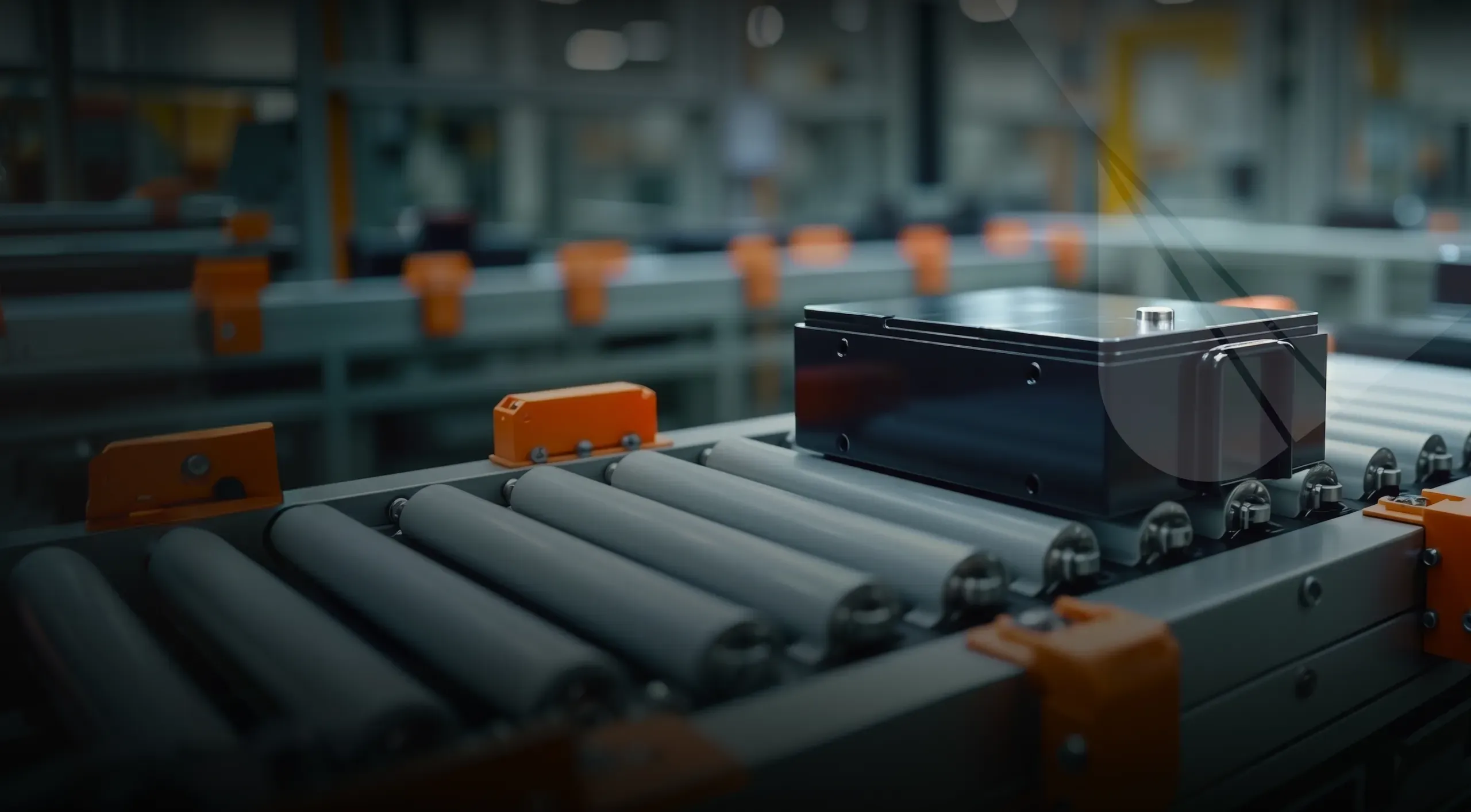
Precision EV battery disassembly
The end of a battery's life
is where we begin.
The batteries that powered the first wave of electric vehicles are coming back. What the industry treats as waste is a resource the world still needs.
GreenTech Industries has built the UK's first industrial-scale operation for precision high-voltage EV battery disassembly, recovering the components, data, and usable life inside every end-of-life pack as well as its raw materials.
Getting to net zero doesn't need to cost the Earth.
74%
Material recovery rate. Conventional shredding recovers less than 8%.
10x
More material recovered per pack than bulk shredding, from the same battery.
66
Wholly-owned IP entries: SOPs, designs, trademarks, and proprietary methodologies.
9yrs
R&D behind the process, built before the market knew it needed it.
3
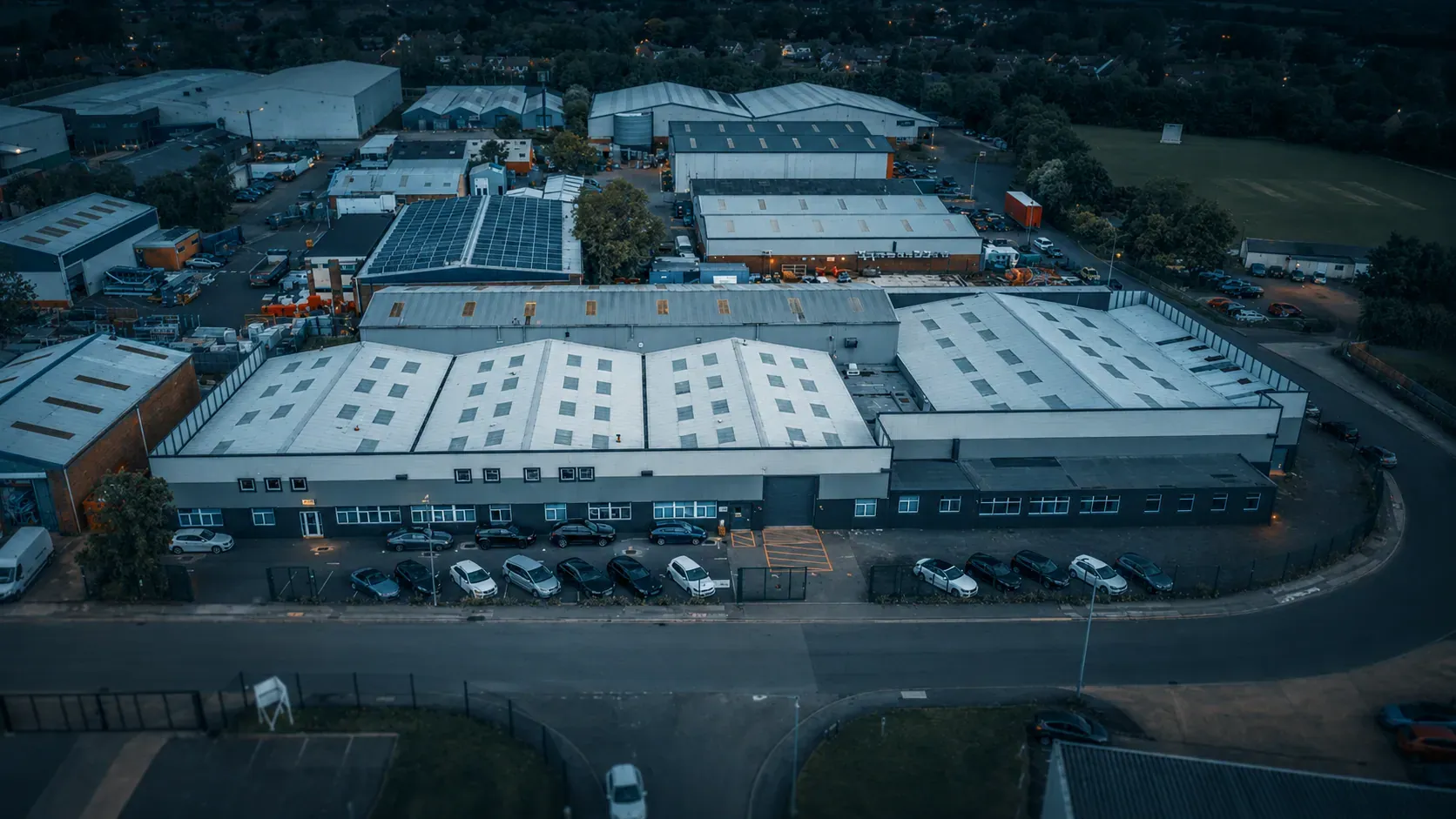
UK facilities across Sucham Park and Westfield Road, Warwickshire.
3
ISO certifications: 9001, 14001, and 45001. Quality, environment, and safety.
The challenge we were built to solve.
Thousands of tonnes of batteries heading straight to the shredder. The most valuable part never makes it out.
Untreated packs stockpiling in yards. Fire risk and liability are growing for everyone in the chain.
Three pressures, arriving at once. It's a supply chain gap, a geopolitical risk, and a legislative turning point. The shift to electric vehicles created a problem the world is only now waking up to. GreenTech Industries was built, nine years ago, to solve it.
Legislation that calls for answers.
GreenTech Industries is the UK's answer.
95–98%
Geopolitical
of the rare earth elements essential to EV motor manufacture are controlled by a single nation. Geopolitical supply chain risk, in one number. When that much depends on one source, sovereignty stops being a theory and starts being a business problem. Urban mining is the counter: recovering the materials already in the UK cuts the dependence on imports.
GTI stops those materials leaving the UK.
28,000t
Societal
of EV batteries are forecast to reach end of life in the UK by 2030, rising to 235,000 tonnes by 2040. Without industrial-scale precision processing, the materials, data, and reusable cells in every one of them are lost. Most will be shredded, and most of that value will leave the UK. Source: SMMT
GTI stops that value leaving the UK.
2027
Legislative
EU Battery Regulation rolls out full lifecycle traceability in stages through 2027. That means battery passports, chain-of-custody documentation, and compliance data at every stage. The window for operators without the right processes is closing fast.
GTI stops that becoming your problem.
The first life ends. The value doesn't.
We built the line that recovers it.
The first life ends when the pack can no longer do its job. The actual end of life comes years later, after the components, cells, and materials inside have given everything they hold. GTI works in the gap between the two.
Three converging problems. One operation.
Why GreenTech Industries exists.
Every battery that gets shredded is critical material, residual value, and grid capacity the UK doesn’t get back. The shift to electric vehicles opened three gaps nobody was equipped to close. GTI was built for exactly this.
Every battery shredded is value the chain never gets back.
End-of-first-life EV batteries are arriving faster than the infrastructure to handle them. Most are shredded for raw materials, which wipes out the components, cells, data, and remaining usable life inside every pack. The rest are stockpiled. Disposal costs £400–1,200 per battery, and the fire risk and environmental liability grow the longer they sit. GTI keeps that value in the chain.
Every battery that can't be processed safely becomes a liability someone else has to carry.
Explore the disassembly service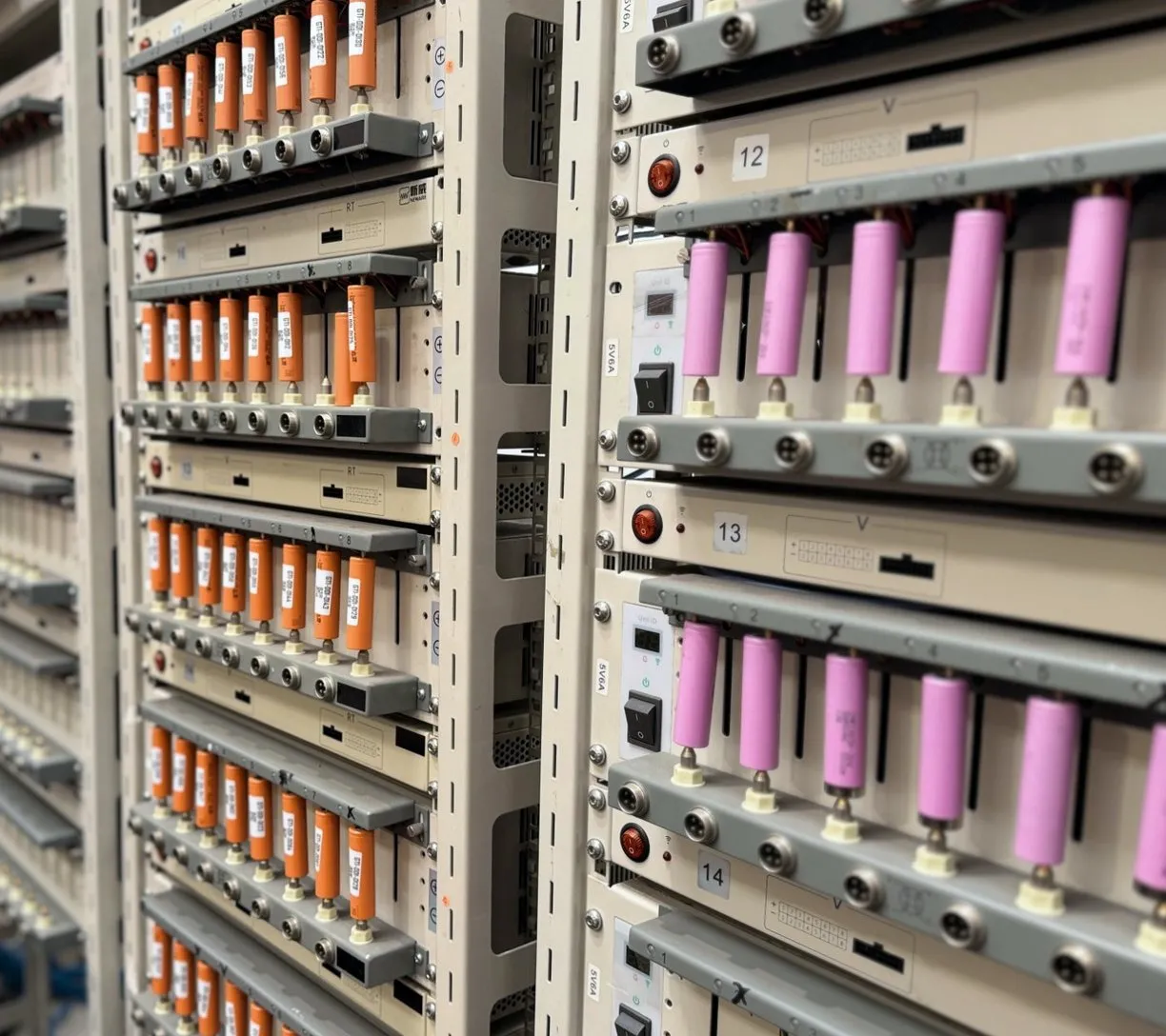
EVs are being written off with value still inside the battery.
Replacement packs cost £4–20k, which routinely pushes vehicles beyond economic repair while the modules inside remain perfectly usable. The modules still work. Nobody is recovering them. GTI recovers, re-energises, and returns them to service, cutting the cost of ownership and keeping EVs on the road.
A battery's useful life runs well past its warranty.
Explore asset management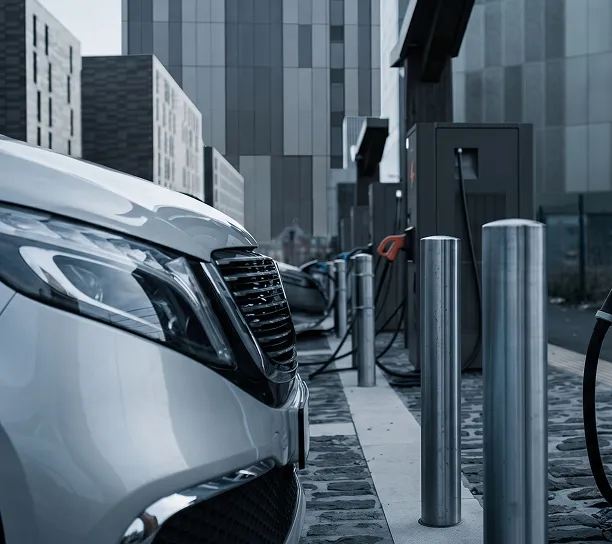
Local energy needs local storage. We build it.
Renewable energy is only as resilient as the storage behind it, and the UK is short of both. GTI rebuilds recovered modules into second-life battery energy storage at a fraction of the cost of new-build, adding grid capacity the UK doesn’t have to import.
Resilience when you need it, and spare energy to trade when you don't.
Explore product innovation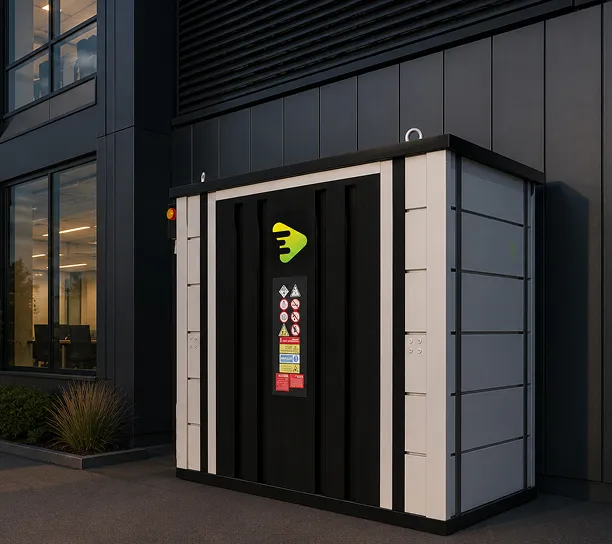
what we do
Our services.
The challenge is clear. The legislation is here. A circular economy doesn't happen by accident: it needs the infrastructure, the process, and the purpose to make it work. GreenTech Industries is all three.
Retention
Disassembly service
Safe, precise high-voltage battery pack disassembly on the only production line of its kind in the UK. Safe isolation, cell-level diagnostics, material recovery, and full Duty of Care documentation. From intake to dispatch, every step is documented and compliant.
Because what industry calls end-of-life, GTI calls a starting point.
- EV & HV packs
- Duty of Care
- ISO 9001 / 14001 / 45001
Regeneration
Asset management
Module regeneration that puts the EVs you already own back on the road. Cell-level state of health data returned with every pack, so operations and finance teams stop pricing residual on assumed depreciation curves.
Because the vehicle goes back to work when the pack does.
- Module re-use
- Fleet operators
- SOH data
- Residual value
Reinvention
Product Innovation
BESS, generators & replacement packs. Recovered cells engineered into new products: Industr-E commercial energy storage, Hom-E residential storage, Gen-E urban generators, and replacement packs for vehicle service networks. They cost less than new-build and carry significantly lower embodied carbon: the same cells, put to a different purpose.
Because the cells that powered a vehicle can still power a building.
- BESS
- Second life
- Replacement packs
- Grid storage
From operators doing it at scale.
In practice
The technology
Every pack that arrives here leaves knowing its next purpose.
Four stages on one precision line. Every pack safe-isolated, diagnosed, disassembled, and its components graded for reuse, remanufacture, or recovery, with full chain-of-custody documentation at every step. The industry needed a safer way to handle end-of-life batteries at scale. We built it.
Nothing is written off before we've found what's still worth keeping.
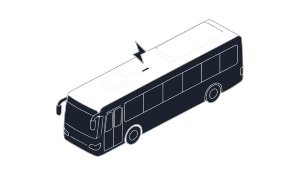
Safe isolation
HV bus isolated, coolant drained, casing removed. Every pack made safe before the line touches it.
No pack on this line is ever a risk to the people working alongside it.
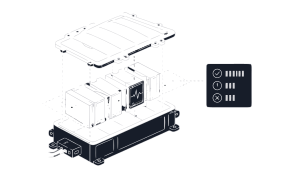
Module diagnostics
Cell-level state of health scanned per module. Every cell graded: reuse, remanufacture, or material recovery.
The difference between a module worth reusing and one worth recycling is measured, not assumed.
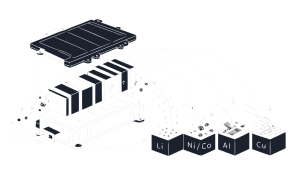
Component recovery
74% of every pack is recovered as usable material and returned directly to the UK supply chain: lithium, cobalt, nickel, manganese, aluminium, and copper.
Every tonne recovered here is a tonne the UK keeps.
Powered by a real-time digital twin
A live software model that adapts to each battery type, predicts faults before they stop the line, and keeps throughput predictable at scale. Every stoppage costs material and value and puts compliance at risk. The digital twin keeps the line running, so every battery is processed the same way, every time.
- Real-time line configuration
- Adaptive to each battery type
- Predictive fault detection
- Production-grade reliability
- Full chain-of-custody data
The numbers
Same battery. Entirely different story.
Where conventional shredding sees black mass, GTI sees cell-level data, recoverable materials, and components with a second life. 74% of every pack recovered. Less than 8% the conventional way. That gap is the difference between recovery and waste.
GTI · Precision disassembly
74%
Precision disassembly recovers lithium, cobalt, nickel, manganese, aluminium, and copper, all in forms that can re-enter the UK battery supply chain directly. Around 186kg from a standard 250kg pack.
- Cell-level state of health data
- Full Duty of Care documentation
- Components re-enter UK supply chain
- Precision disassembly line
- Fire & environmental hazard eliminated at intake
Shredder route · Bulk processing
<8%
Bulk shredding produces black mass, a mixed slurry that needs further processing overseas before it can re-enter the supply chain. Most material value is lost. Typically 15–20kg from the same pack.
- No component-level data
- Black mass exported for overseas refining
- Mixed materials, degraded value
- Thermal runaway risk, no diagnostics
GTI is where the chain begins.
Before the recycler
Before the refiner
Before the black mass
Built for your sector.
Each sector needs something different, and each gets the same precision outcome.
Automotive OEMs.
End-of-life battery management for production runs. Material passports, type approval support, and closed-loop supply chain data.
OEM services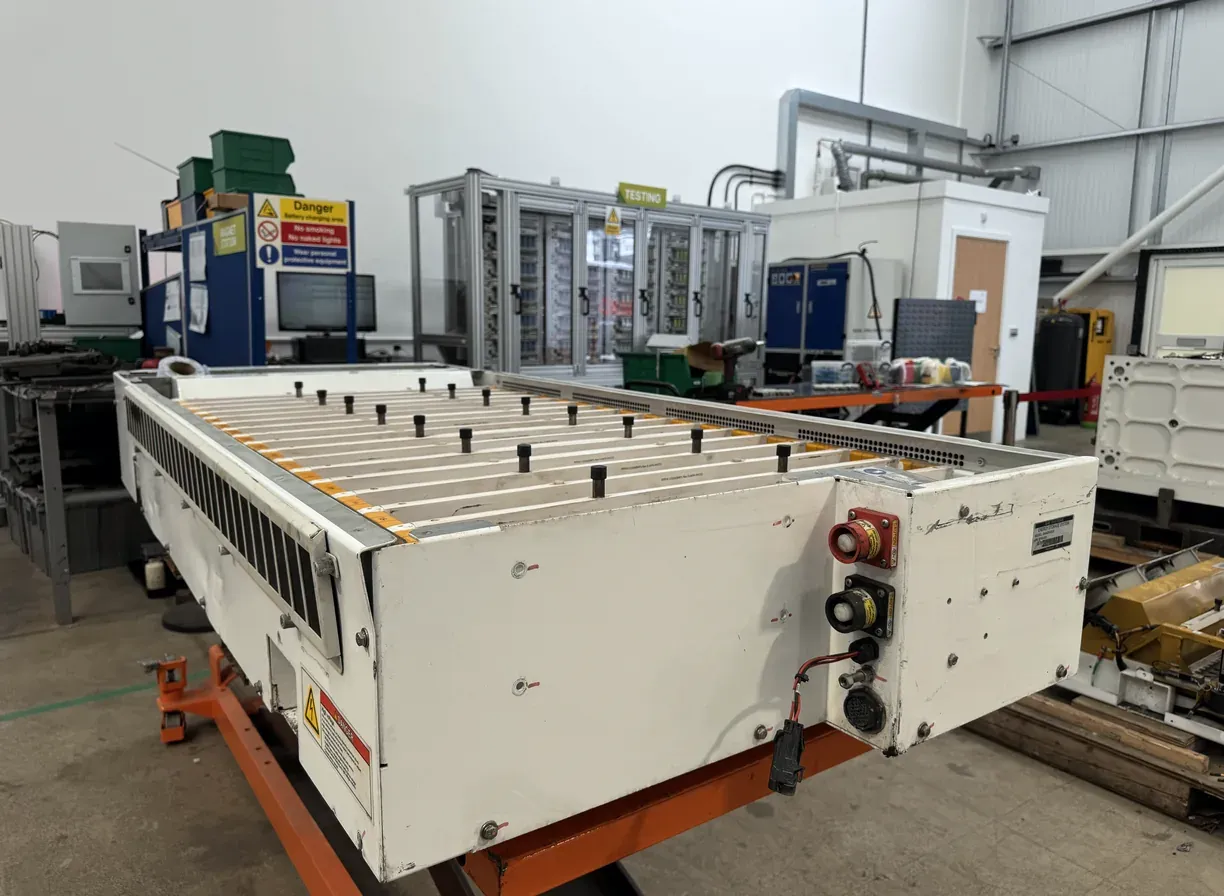
Fleet operators.
Extended life for EV fleets. Vehicles stay on the road on the packs they already own, and PSV fleets stay compliant on ULEZ and clean-air routes. Depot logistics, residual value recovery, asset reporting.
Fleet services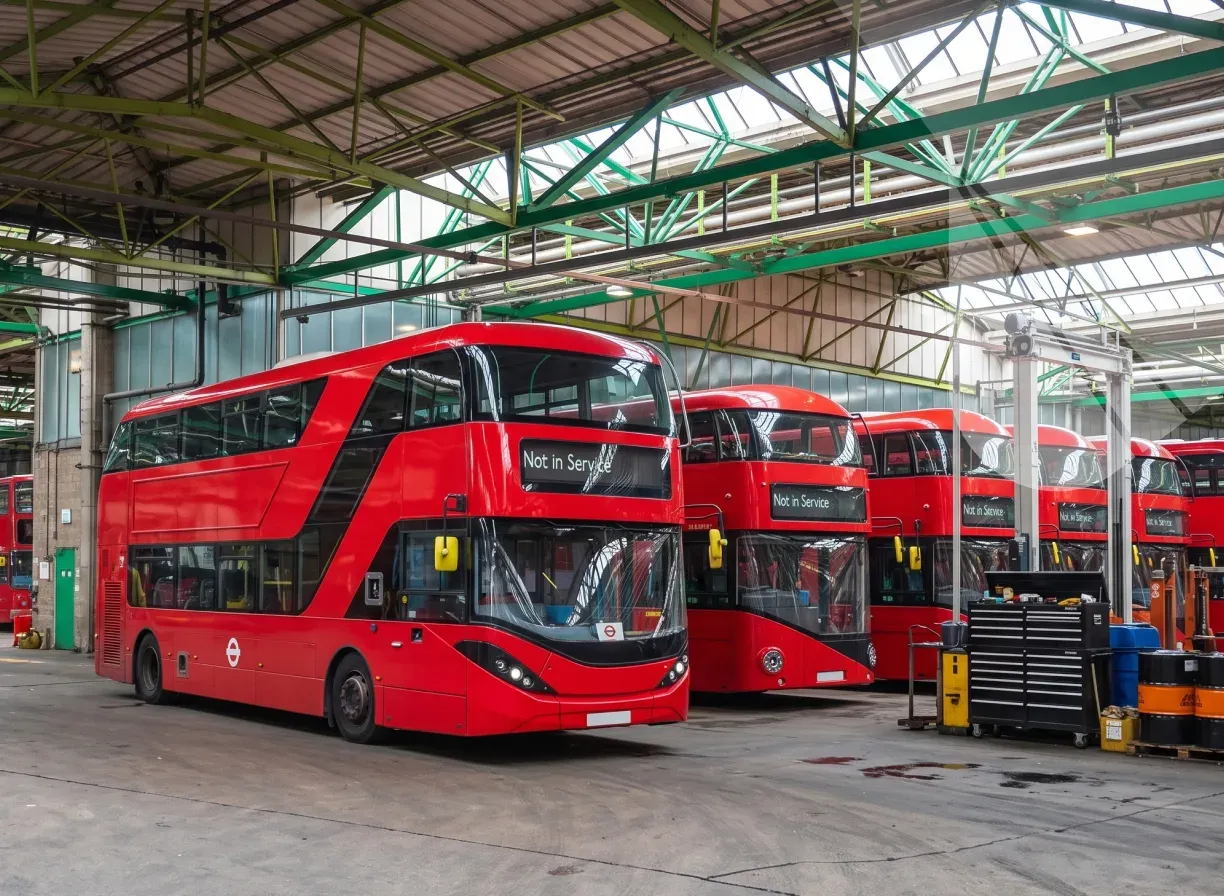
Authorised Treatment Facilities (ATFs).
Permitted sub-contract HV battery processing for the packs that exceed an in-house line. Full compliance documentation returned, and the liability transfers with the pack.
ATF services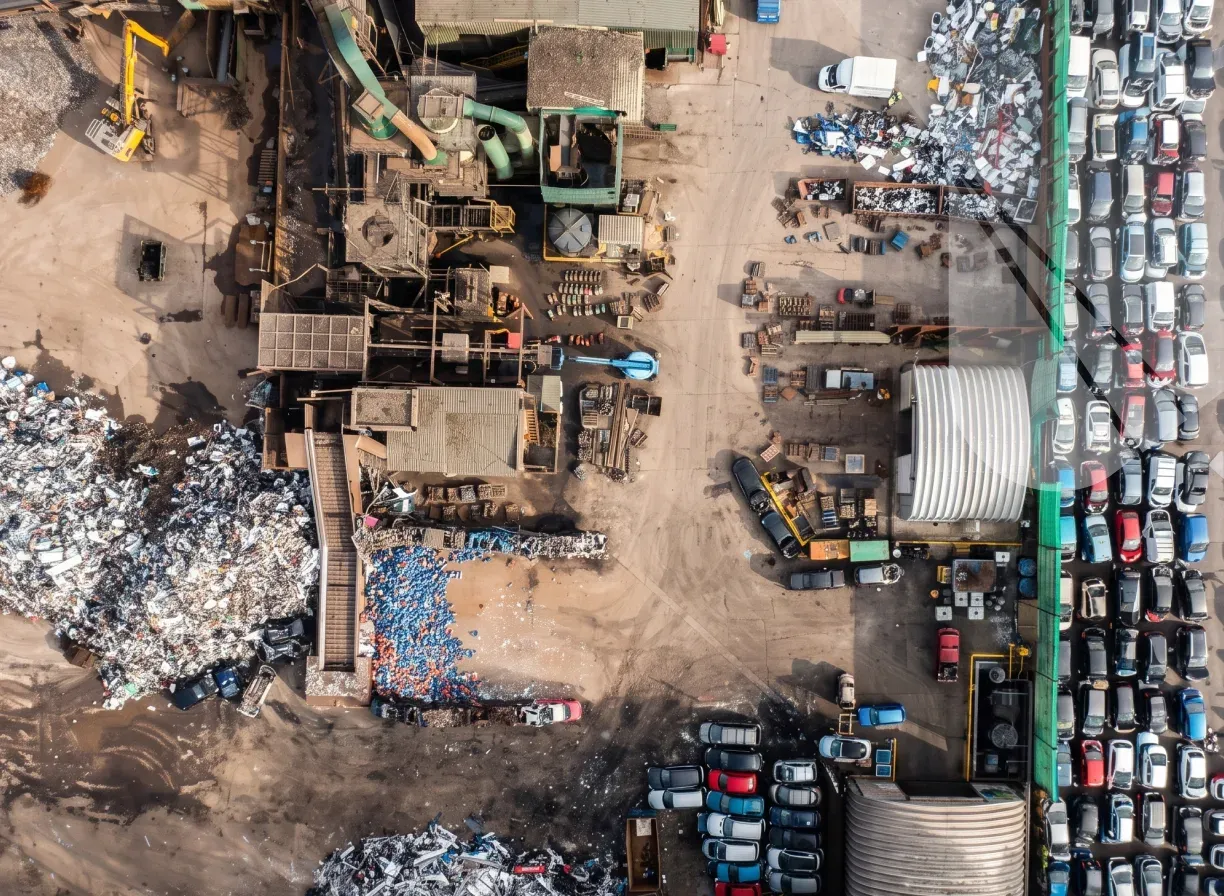
Insurance & Data.
Incident-damaged and total-loss EV battery processing. ADR-compliant intake, state-of-health report, asset valuation and disposal.
Insurance & Data services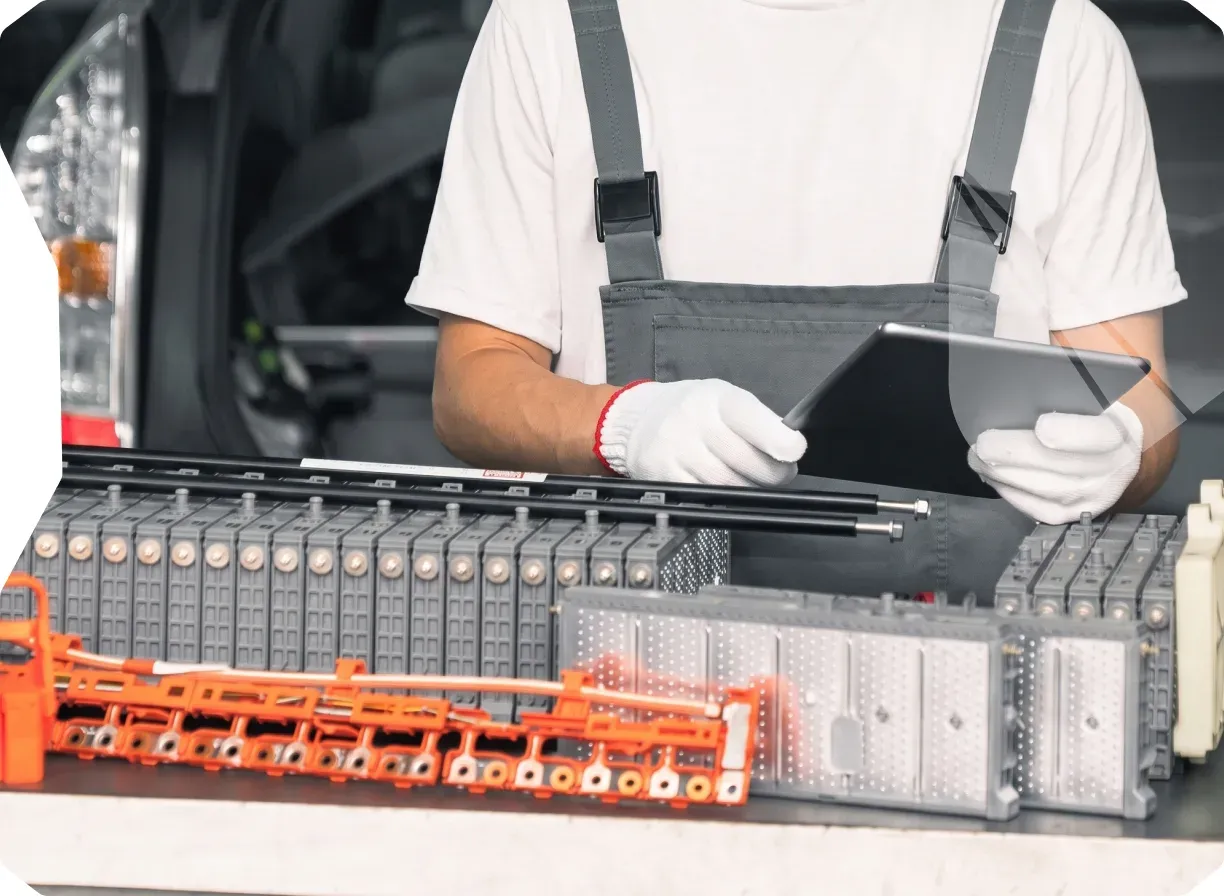
Motorsport.
High-performance EV and hybrid race programmes generate battery data no one else sees. Forensic recovery, cell-level analysis, and IP-secure disassembly documented from collection to destruction.
Motorsport
Working with industry
Who we're already working with.
We're operational and already delivering for clients.
Retention
A leading UK automotive
recycling network
Disassembly service
One of the UK's largest authorised treatment facility networks now routes end-of-life EV battery packs to GTI for compliant, precision processing. Every pack returns full Duty of Care documentation, cell-level diagnostics, and traceable material recovery. Sorted outputs re-enter the UK supply chain directly.
What this delivers
Full compliance and traceable recovery, in a supply chain relationship that scales with volume.
Regeneration
A major UK electric bus
fleet operator
Asset management
GTI's asset management service recovered usable modules from end-of-life bus battery packs and returned them to service, extending fleet operating life, restoring compliance, and eliminating the cost and delay of full pack replacement. The buses are back on the road and taking fares.
What this delivers
Longer operating life and restored compliance, with residual value recovered instead of written off.
Reinvention
Energy storage for a national hospitality operator
New products & innovation
GTI is developing second-life battery energy storage systems for deployment across commercial and industrial sites, manufactured from precision-recovered components at a fraction of the cost and embodied carbon of new-build storage. The batteries that powered vehicles are returning energy to the buildings and businesses that need it.
What this delivers
On-site energy storage at lower cost and lower carbon, built from materials already in circulation.
Our credentials
Built by the people who built
Britain's most advanced battery programmes.

Tony Booth
CEO & Co-Founder
Two decades taking new technology from concept to production at the sharp end of automotive and motorsport engineering.

Will Grocott
Chief Programme Officer
Battery manufacturing and high-growth operations at international scale, with deep grounding in safety-critical systems.
The McLaren P1. The Aston Martin Rapide E. The Lotus Evija. The McLaren Solus GT. The founders of GTI built those programmes, which means they know exactly what's arriving back at end of life, and why almost no one else is qualified to deal with it.
Programmes
Tony Booth
Williams Advanced Engineering · Hyperbat · McLaren Special OperationsBattery programmes for the McLaren P1, Aston Martin Rapide E, Lotus Evija and McLaren Solus GT. Led Hyperbat, the Williams / Unipart JV, from creation to production.
Manufacturing
Will Grocott
Cummins New Power · National Composites Centre · Johnson MattheyBattery manufacturing operations and P&L leadership at scale.
The production methodology that underpins GTI's factory design.Together
FOR3V3R Ltd → GreenTech Industries
Two halves of one company. Low-volume precision engineering paired with high-volume manufacturing leadership. Founded as FOR3V3R Ltd during the McLaren years; the combination became GTI.
Our people & values
GreenTech Industries didn't start with a business plan. It started with a problem.
We're in this because it needed doing.
GTI's work sits where engineering excellence meets legislation. What happens to a battery at end of life has consequences for materials security, for domestic supply chains, and for the communities left to absorb the cost of doing this badly. It's what connects every person here to the work.
Retention
The Disassembly Service
Precision disassembly that keeps materials, components, and usable life in circulation. Shredding comes last, and never by default.
Regeneration
Asset Management
We test, regenerate, and return packs to the operator who already owns them, with the diagnostic data handed back. A vehicle isn't finished because one module is.
Reinvention
Product Innovation
Components the disassembly line recovers, engineered into battery energy storage and replacement packs. The battery that powered a bus can still power a building.



From the industry
News & insight
The market is moving fast. We’re watching it closely and helping to shape it.
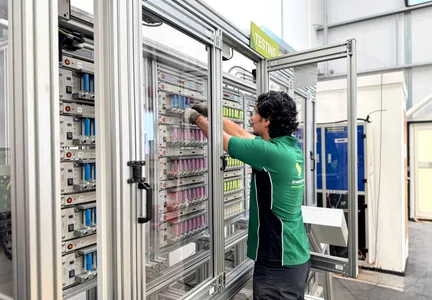
GTI launches robotics, business and management apprenticeships
GTI's first three apprentices start in September 2026, training in robotics, business and management at its EV battery disassembly sites in Warwickshire.
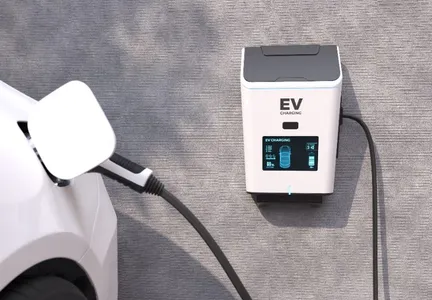
One in 18 used car buyers now goes electric, and that changes what a write-off costs
Used EV sales rose 67% in the second quarter, to a record 110,761 cars. A second-hand market that barely existed three years ago is now real, and it runs entirely on confidence in the battery.
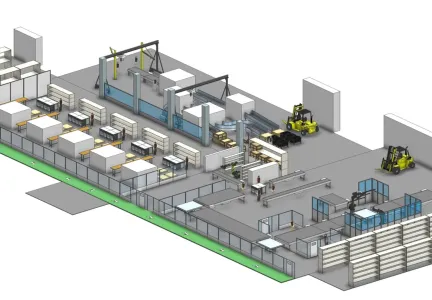
GreenTech Industries secures DRIVE35 funding to automate its EV battery disassembly line
A government-backed project, AutoDMR, will take GTI's live Southam operation from manual work to high-rate automation, in collaboration with the Manufacturing Technology Centre and Coventry University.