

Retention: The Disassembly Service
A wave of end-of-life EV batteries is already here.The UK isn’t ready. We are.
The shredder destroys what’s inside every end-of-life EV battery: components, cells, performance data, and modules with years of usable life left. We built the UK’s only precision production line to recover them, safely and at automotive grade, with full Duty of Care from intake to dispatch. Because the materials already exist. They just need the right hands.
What it is
Before the shredder.
With the supply chain.
When an end-of-life EV battery arrives in the UK today, it goes straight to a shredder for material recovery. That work matters: refiners need feedstock, and the materials inside every pack need to make it back into UK supply chains. When shredding is the only step, components, cells, performance data, and modules with years of usable life are destroyed on the way.
GreenTech Industries built the layer that sits in front. We take packs apart precisely, recover what’s still good, and pass everything else on cleaner, safer, and sorted by stream. Refiners get better feedstock, shredders get safer material to process, and OEMs and fleets get reusable parts with the data that comes with them. That is the layer the supply chain has been missing.
The service, at a glance
- Safe isolation, every pack
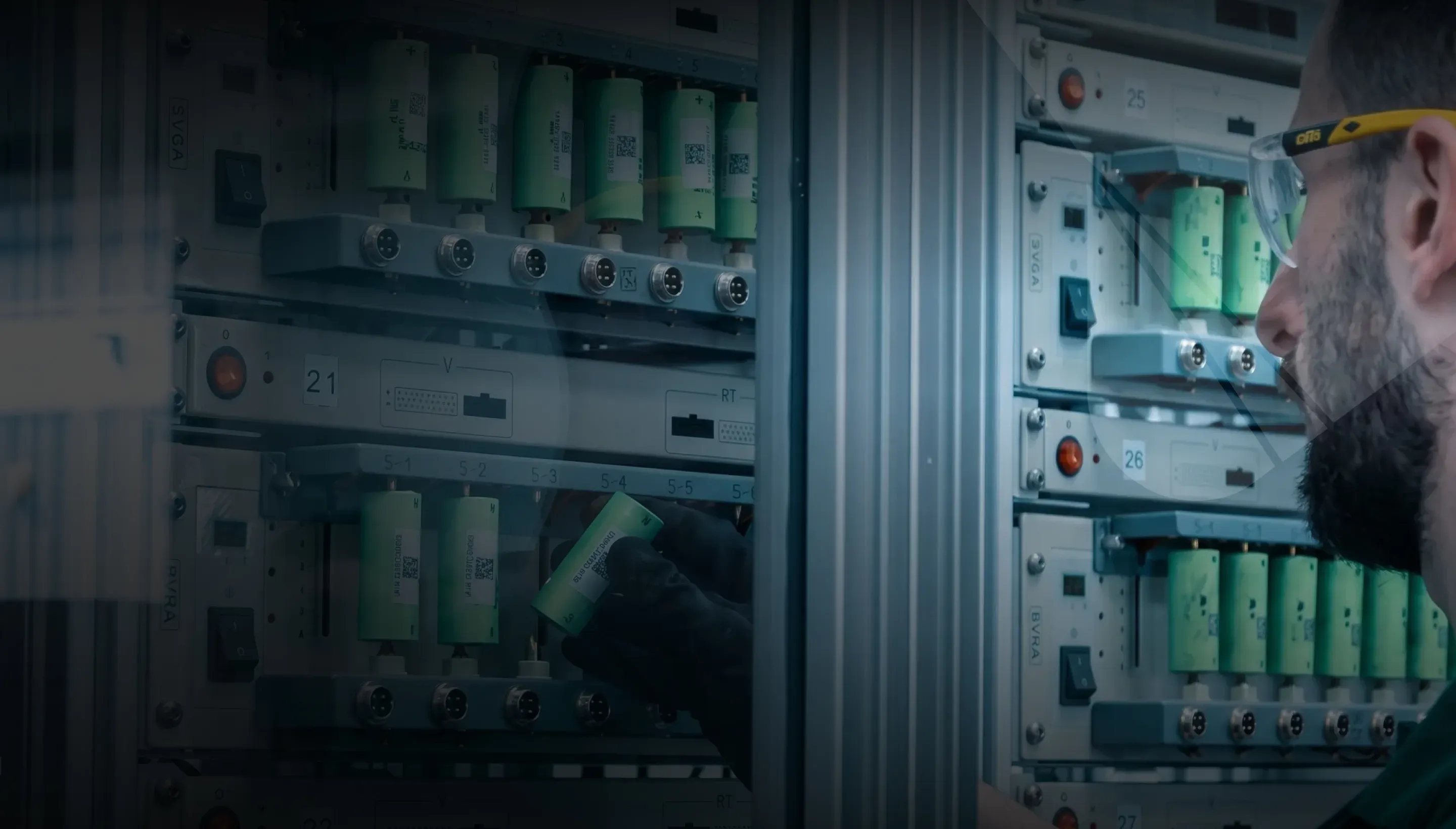
- Rapid Battery Assessment (RBA): cell-level state of health
- IP-secure processing: development, prototype, and motorsport hardware protected to destruction
- Precision disassembly to module and component level
- Material recovery: Li, Co, Ni, Mn, Al, Cu
- Duty of Care documentation, intake to dispatch
- Industrial scale: UK’s only line of its kind
Every pack is processed to automotive-grade standards (PPAP/PSW), with chain-of-custody documentation from intake to dispatch. Duty of Care is met, ISO 9001 / 14001 / 45001 are in place, and the full audit trail follows every component out the door. Where hardware carries sensitive IP, such as development packs, prototypes and motorsport programmes, disassembly runs IP-secure: protected through the process and documented to destruction.
 9001
9001- 14001
- 45001
A model that works with the market and the supply chain around it.
How it works
Four stages.
The same way for every pack.
The line runs on GTI’s own standard operating procedures, backed by a real-time digital twin that predicts faults before they stop production. Digitising those procedures to automate the line is the next phase of development.
Safe
isolationEvery pack is made safe before the line touches it: high-voltage discharged, coolant drained, casing opened in a controlled environment.
Rapid Battery Assessment (RBA)
Modules and components assessed. Every cell scanned and graded for reuse, remanufacture, or recovery, decided on data.
Precision disassembly
Modules separated, components recovered, electric drive units processed for rare-earth magnet recovery, following the procedure written for each battery type.
Component grading & dispatch
Every pack has three routes out: reusable modules to Asset Management, components to Product Innovation, and recovered materials to UK refiners. Every output is certified and traced.
No two batteries are identical. Every pack we process adds to the procedures that handle the next one.
The numbers
Same battery. Different outcome.
8×
Throughput target: from 190 kg/hr on today’s manual line to 1,500 kg/hr automated in the next phase of development.
74%
Of every pack recovered as reusable components and materials, kept out of landfill and incineration. The rest reaches refiners cleaner, safer, and sorted by stream.
100%
Traceability across every pack, cell, and process step.
Built for the people responsible
for what happens next.
Wherever an end-of-life or end-of-first-life pack arrives today, whether on a forecourt, in a depot or in a recovery yard, someone has to decide what happens next. We work with the operators making that call.
Automotive OEMs.
Warranty returns, end-of-life take-back obligations, and electric drive unit programmes where magnet recovery matters. Disassembly to PPAP/PSW automotive-grade standards, with the audit trail OEMs need.
Explore more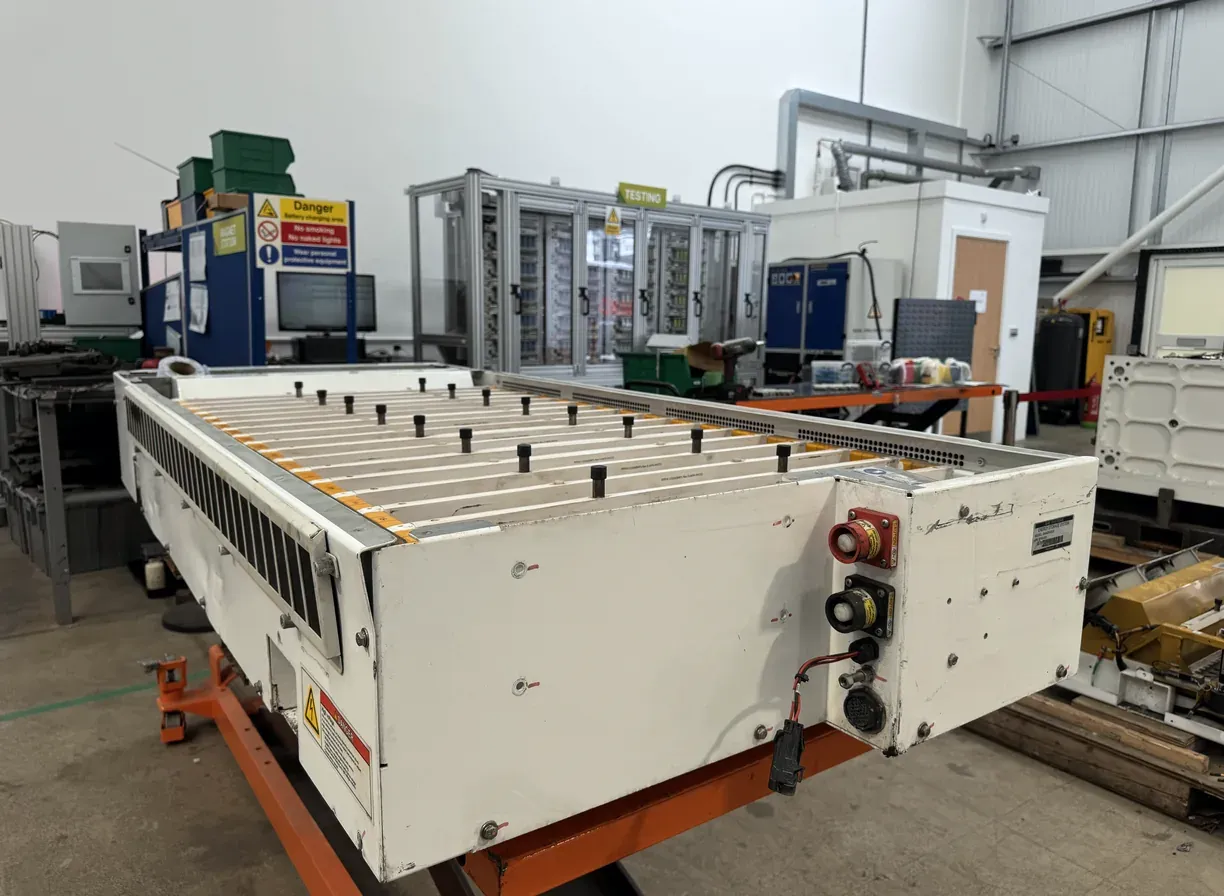
Fleet operators.
Bus, HGV, and passenger fleets with high-voltage assets reaching end of first life. Cell-level state-of-health data, re-energised modules, and full chain-of-custody documentation from collection to dispatch.
Explore more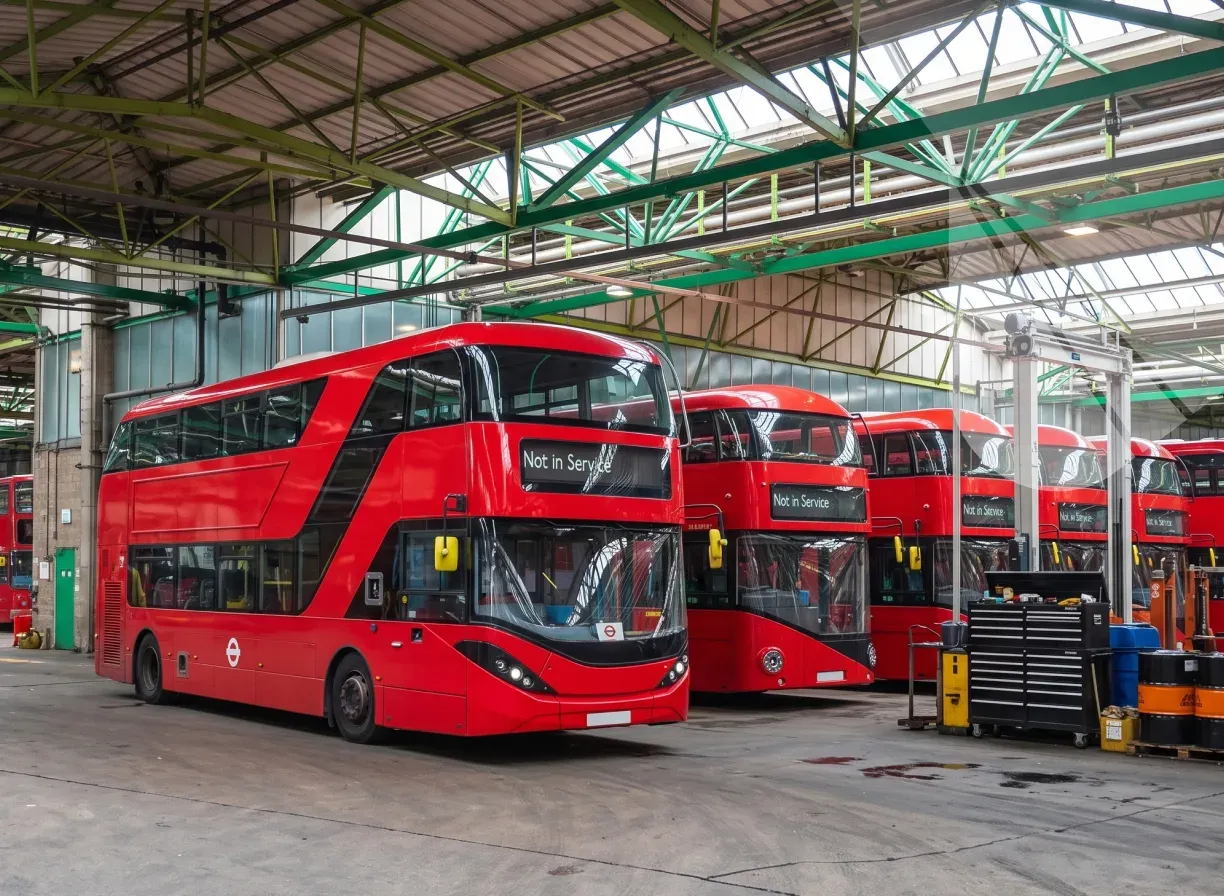
Authorised treatment facilities.
ATFs handle the vehicles; we handle the packs. A compliant route for every high-voltage battery that arrives on site, collected, documented, and processed to automotive grade, with safer material returned to the recovery chain.
Explore more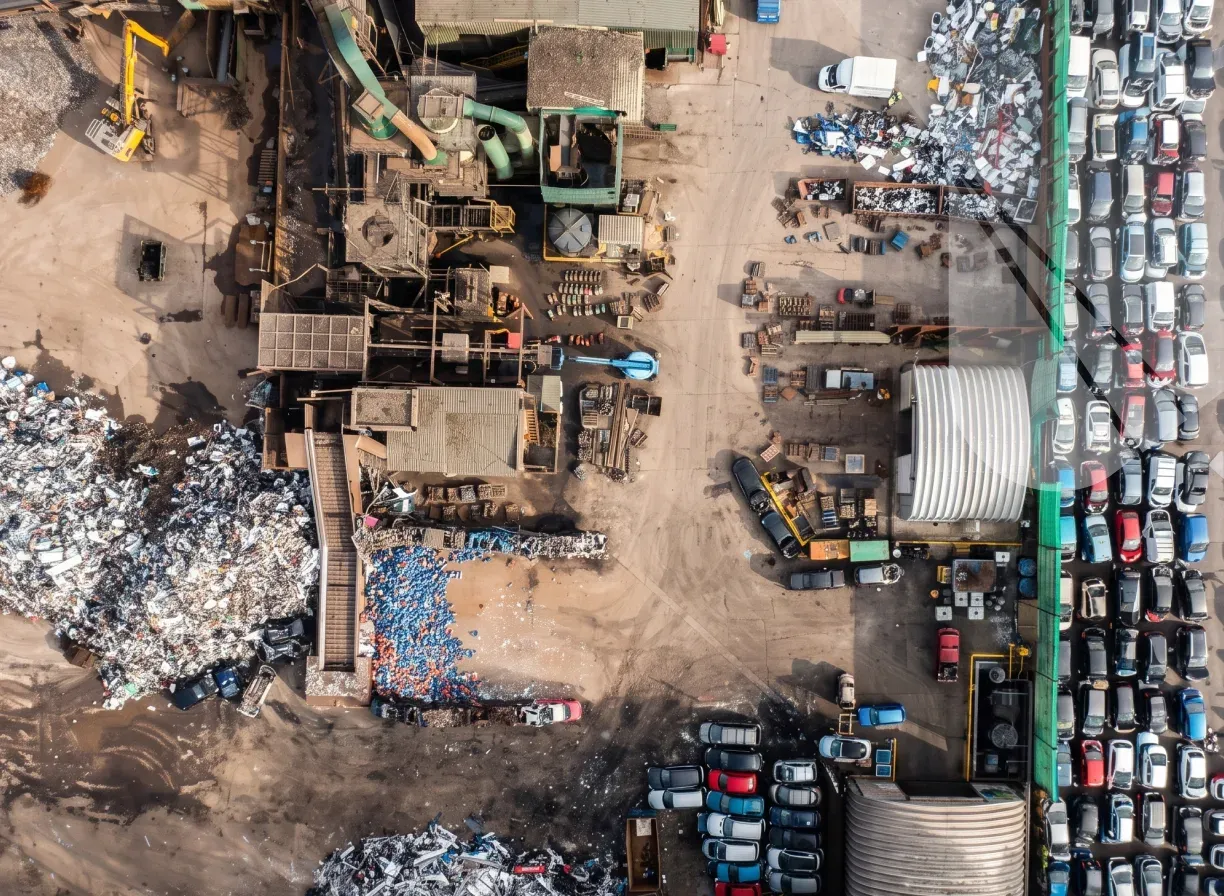
Insurance & Data.
Damaged, written-off, and fire-risk packs need specialist handling. Safe isolation, cell-level assessment, and certified recovery turn a pack that reads as pure liability into documented, recoverable value.
Explore more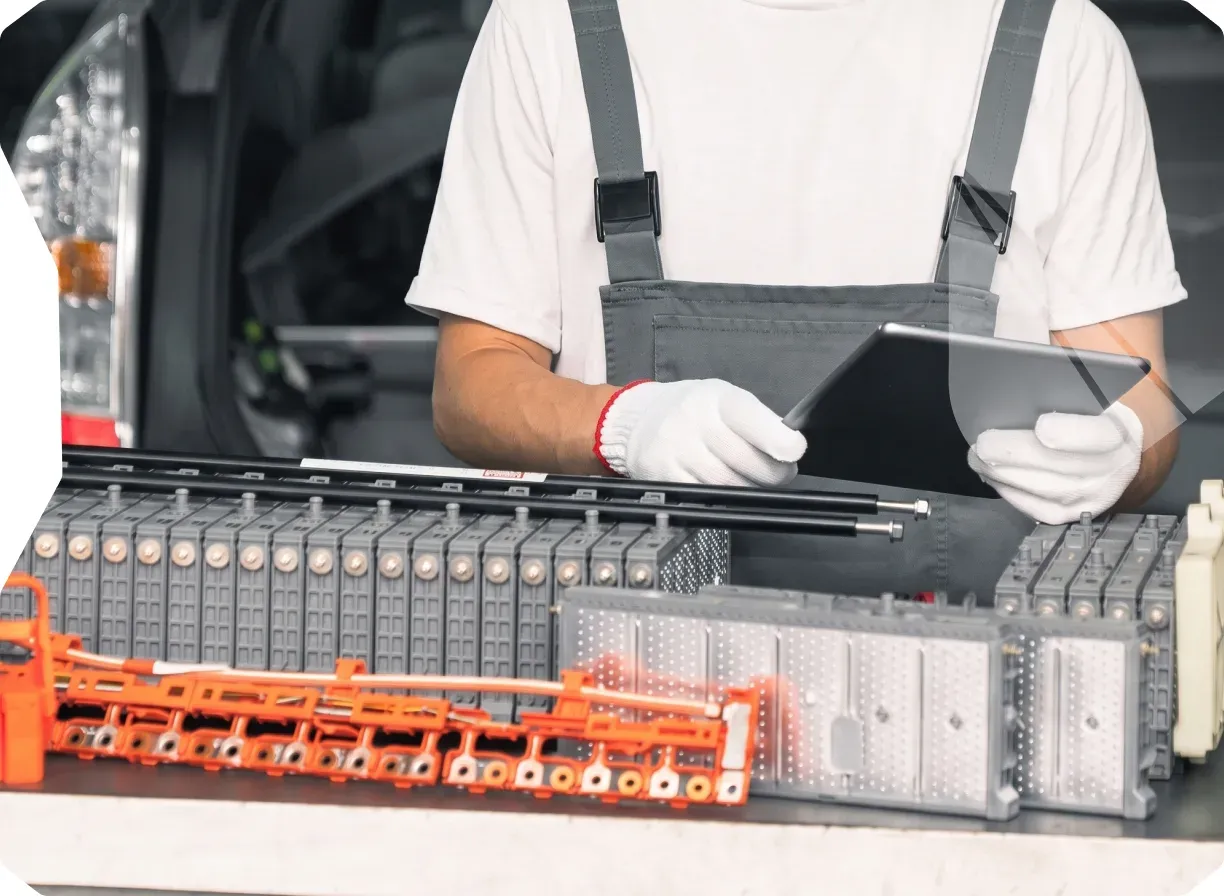
Motorsport.
Race and high-performance EV programmes run battery systems at the edge of their limits. Forensic disassembly, cell-level failure analysis, and safe recovery, with the data engineering teams need.
Explore more
Each operator needs something different, and each gets the same precision outcome.
Where this fits
Every pack has more than one life.
Disassembly is the first step. What comes out has two more places to go before it’s done giving value.
Retention
The Disassembly Service
Keep every pack’s value in the chain. Components, cells, data, and usable life recovered before any cell is crushed.
You are here
Regeneration
Asset Management
Re-energise modules, repair packs, and hand the diagnostic data back to operators. Fleets stay on the road on the assets they already own.
ExploreReinvention
Product Innovation
Components rebuilt into energy storage and replacement packs. The battery that powered a bus can still power a building.
Explore
Maximising value. Minimising waste.
From operators doing it at scale.
In practice
FAQ
Frequently asked questions
How are end-of-life EV batteries disposed of in the UK?
Most go straight to a shredder for material recovery. That work matters: refiners need feedstock. When shredding is the only step, components, cells, performance data, and modules with years of usable life are destroyed on the way. GreenTech Industries built the layer that sits in front, recovering what’s still good and passing everything else on cleaner, safer, and sorted by stream.
What’s inside an EV battery pack?
Modules of lithium cells, with copper busbars, aluminium casings, BMS hardware, connectors, fuses, clamps and cooling plates. The materials inside include lithium, cobalt, nickel, manganese, aluminium and copper. Every pack also carries performance data on what its cells have been through.
What are the Duty of Care obligations for EV battery packs?
Duty of Care is already in force: every high-voltage pack stored or transferred carries a legal duty of care. GTI processes every pack with chain-of-custody documentation from intake to dispatch, and the full audit trail follows every component out the door. ISO 9001, 14001 and 45001 are in place.
Can GTI protect the IP inside development and prototype packs?
Yes. Where hardware carries sensitive IP, such as development packs, prototypes and motorsport programmes, disassembly runs IP-secure: protected through the process and documented to destruction.