
Europe just decided battery waste is too valuable to export
From 2026, the EU restricts exports of battery scrap and rare earth scrap, backed by a €3.5 billion package to process it at home. End-of-first-life packs are now a strategic asset, in law as well as logic.
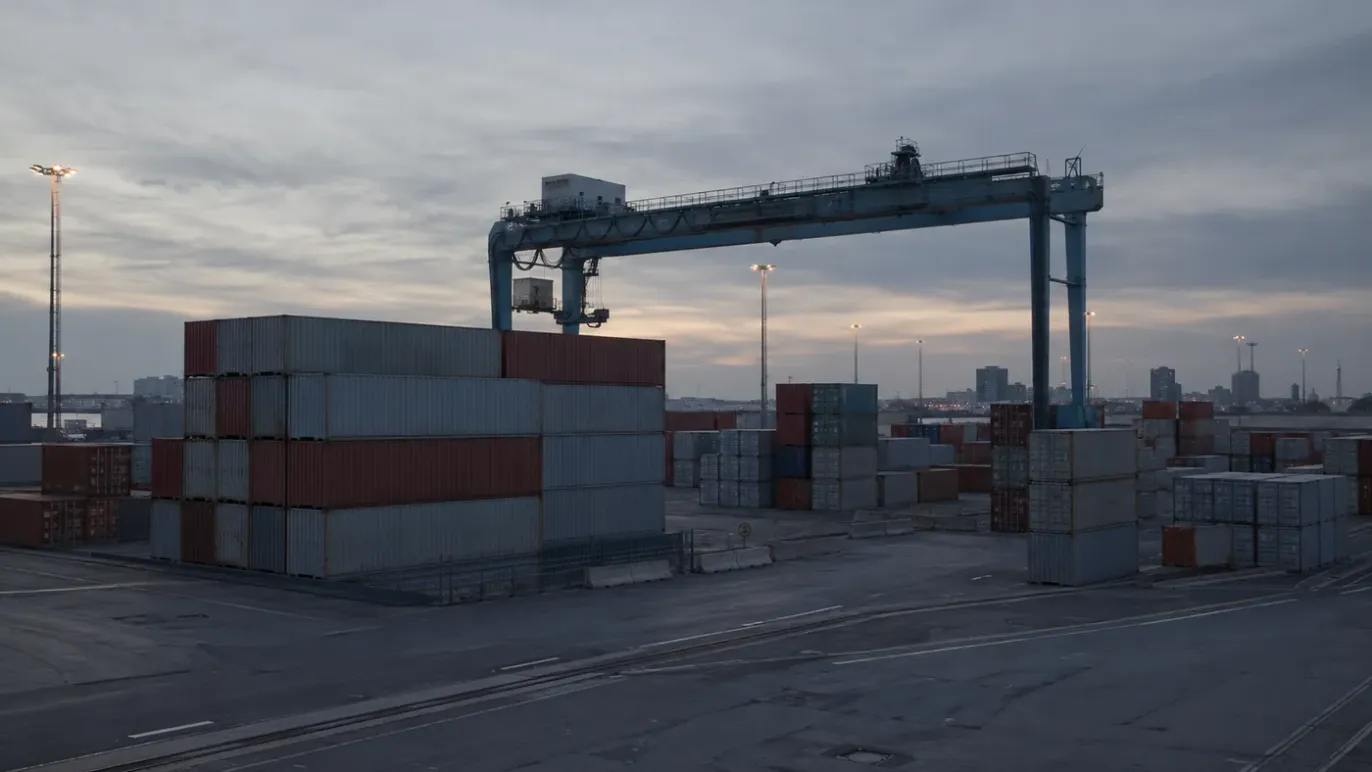
For years, Europe’s end-of-life batteries have followed the path of least resistance: shredded into black mass, shipped abroad, much of it to Asia, and refined into materials Europe then buys back at market price. This week, the EU decided that loop ends.
Export restrictions on battery scrap and rare earth scrap take effect from 2026. Alongside them come a €3.5 billion investment package and a new European Critical Raw Materials Centre to coordinate it. The package includes €2 billion through the European Investment Bank, €300 million for battery manufacturing and €600 million through Horizon Europe. The stated goal is blunt: cut dependency on any single supplier country to below 65% of demand, and cut the deepest dependencies by up to half by 2029.
The numbers behind the policy explain the urgency. Europe already produces enough black mass to supply roughly a million new EV battery packs a year, if it were processed at home. Recycled rare earths could meet a fifth of the EU’s annual magnet demand. The material is there. It has simply been leaving.
Waste, redefined
The significance lies in the reclassification of what an end-of-first-life battery is. For two decades, a dead pack was a disposal problem: a hazardous liability to be moved on as cheaply as possible. The EU has now put it in the same category as a strategic reserve: too valuable to lose, too important to depend on others to process.
The UK faces the same arithmetic with fewer options: no domestic lithium refining at scale, no magnet production to speak of, and a rising volume of end-of-first-life packs whose value, until recently, left the country along with the problem.
Keeping the value means keeping it whole
Here’s what the black mass economics quietly concede: shredding is where value goes to be averaged. Cells that could have lived a second life, components that could have been reused, data that could have priced the next pack, all blended into powder and recovered at the lowest common denominator.
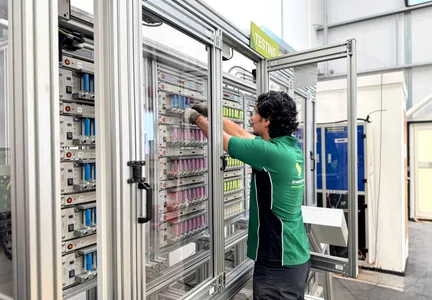
GreenTech Industries starts one step earlier. Precision disassembly recovers components, cells, data, and remaining usable life before anything reaches the shredder, so material recovery becomes the last resort, applied only to what has genuinely nothing left to give. That’s what keeping value in the country looks like at pack level.
Europe has decided its battery materials are worth keeping. The question for the UK is whether it builds the capability to keep them at their highest value, or just stores the powder.
Source: EU export restrictions on rare earth and battery scrap announced December 2025, effective 2026; Reuters reporting, 3 December 2025.