
The Earth's budget for 2026 ran out on 30 July
Earth Overshoot Day fell on 30 July this year, the deepest overshoot on record. The renewable half of the problem gets the headlines. The other half sits inside every EV battery.
Each year the planet renews a budget: the food and timber it can grow, the water it can replenish, the carbon it can absorb. Earth Overshoot Day marks the date humanity has used a full year’s worth.
In 1972, that date fell on 31 December, and the budget lasted almost the whole year. In 2026, it fell on 30 July, the deepest overshoot on record. Everything since has run as overdraft: at today’s demand, we’re consuming 1.73 Earths.
The date moves depending on where you stand. Live like Qatar, and the budget is gone by 4 February. Live like the UK, and it’s gone by 22 May, a demand that would take 2.6 Earths to sustain.
The half of the problem that never renews
Overshoot is usually told as a story about the renewable budget: the crops, the forests, the carbon sinks. That covers half of it.
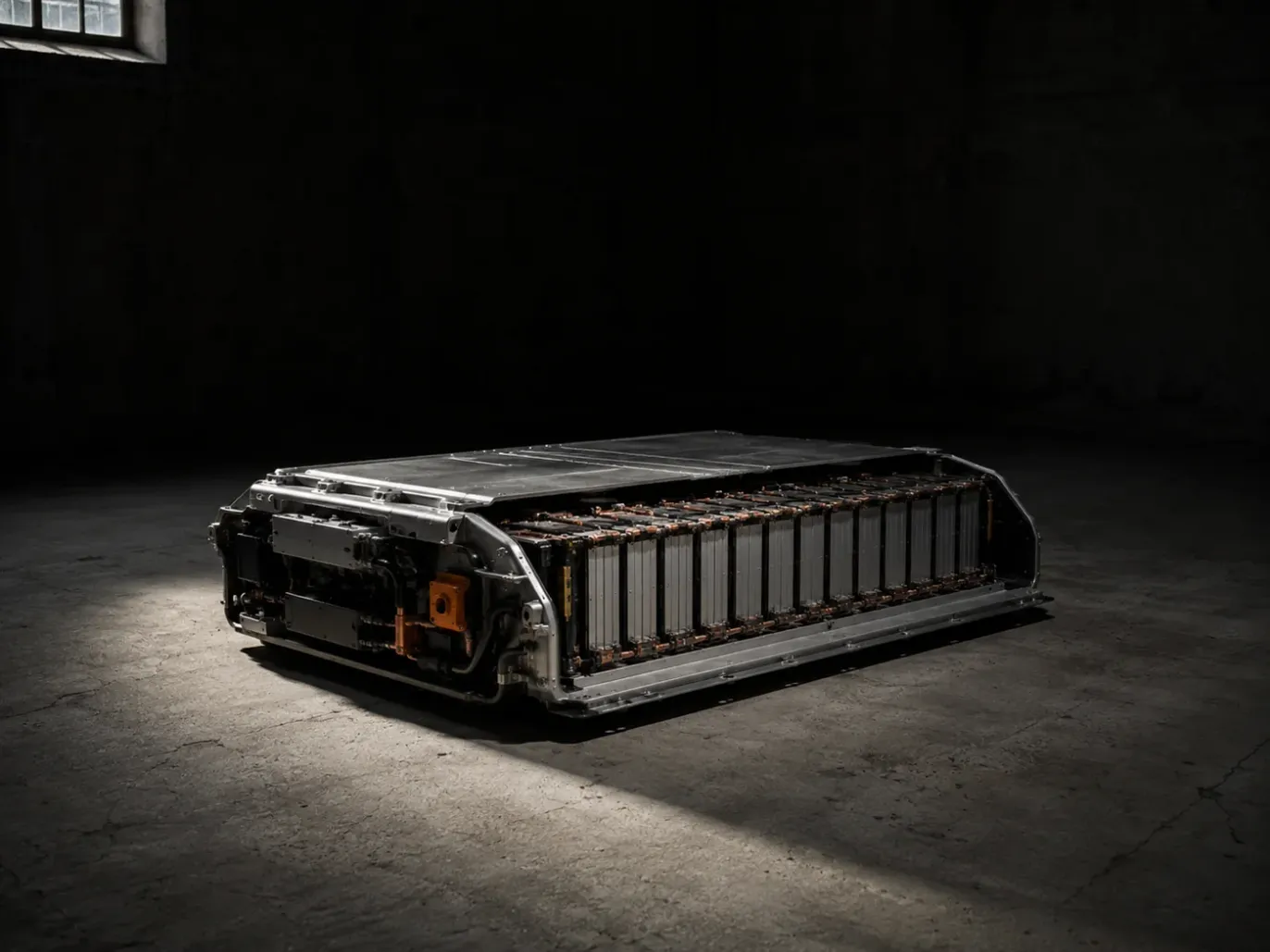
The metals inside an EV battery, such as lithium, cobalt, nickel and copper, never renew. There is no next year’s supply. There is only what’s already been mined, and what we choose to do with it.
That choice is arriving at industrial scale. The SMMT expects around 28,000 tonnes of EV batteries to reach the end of their first life in the UK by 2030, rising to 235,000 tonnes by 2040. Every one of those packs holds materials the UK cannot grow, cannot drill for in any meaningful quantity, and increasingly cannot afford to import.
Every cell shredded into waste means mining the deficit deeper. Every cell recovered and rebuilt means the opposite.
Why the clock sits at the front of our mission
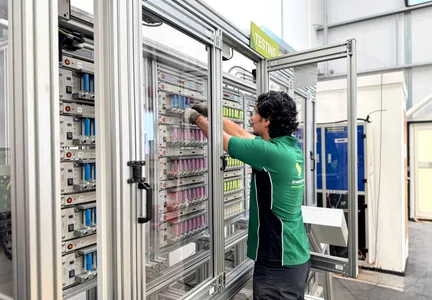
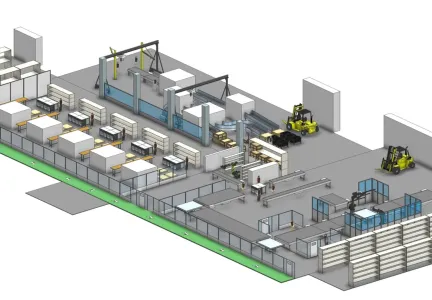
This is the arithmetic GreenTech Industries was built on. A battery’s first life ends when it can no longer do its job, but the components, cells, and materials inside still hold years of value. GTI’s precision disassembly line works in that gap: recovering what’s still useful, regenerating what can be reused, and reinventing what’s left.
Retention, Regeneration and Reinvention matter because the budget doesn’t balance without them.
The overshoot date will be recalculated next year, and the year after. What moves it is infrastructure: the capability to keep what’s already been mined in circulation instead of mining the deficit deeper. That capability is what we build, every day, one pack at a time.
Source: Global Footprint Network, Earth Overshoot Day 2026 (overshoot.footprintnetwork.org). UK battery volumes: SMMT.