
Disassembly over shredding: recovering the value the chain throws away
Every pack that gets shredded turns recoverable cells, busbars and casings into low-grade black mass. Here's the case for taking them apart instead.
There is a straightforward test for whether a recovery process is working: compare what went in against what a refiner can use at the other end.
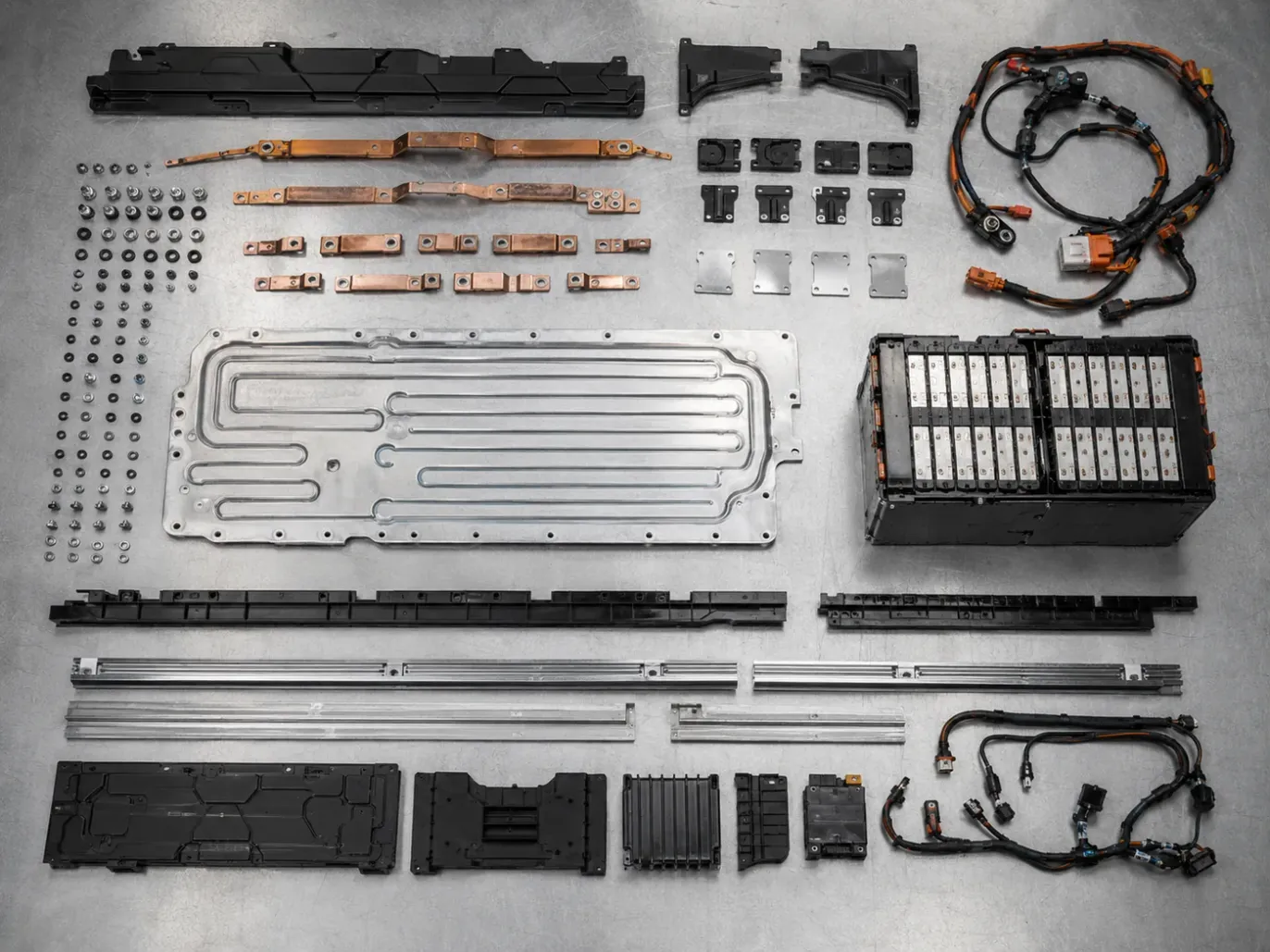
Shredding fails that test in a specific way. It recovers material, but it recovers it as a mixture. The copper is in there. So is the aluminium, the plastic, the electrolyte and the cell chemistry, and separating them again costs energy that was already spent putting them together.
The components were the expensive part
Cell manufacture is the energy-intensive step in a battery’s life. Casings are formed, busbars are drawn, cooling plates are machined. By the time a pack reaches end-of-first-life, all of that embodied cost has been paid once.
Disassembly keeps it paid. A busbar that comes off intact is a busbar; it does not need to be re-drawn from recovered copper. A module that grades well is a module.
What it takes to do properly
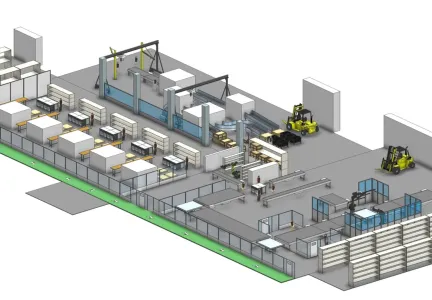
Precision disassembly at scale needs automated safe isolation, because the packs arrive live. It needs to identify the pack on arrival, because the sequence differs by platform. And it needs to record what it found, per pack, because the documentation is part of what the customer is buying.
That is a harder machine to build than a shredder. It is also the version that leaves something worth having.