
Why second-life batteries are the UK's fastest route to energy storage
For energy storage, the bottleneck is the cells already in circulation. A look at the second-life supply curve to 2030.
Energy storage in the UK is usually discussed as a manufacturing problem: how many new cells can be produced, and how quickly.
That framing skips the cells that already exist.
The supply is already moving
An EV pack reaching end of first life is still a useful battery. What it stops being is a useful automotive battery, a much narrower standard driven by range and fast-charge performance that stationary storage simply does not need.
A pack retired at 75% state of health has been retired from a duty cycle that demanded 80%. For a building-scale storage system cycling once a day, that same pack has years of service left.
The constraint is grading
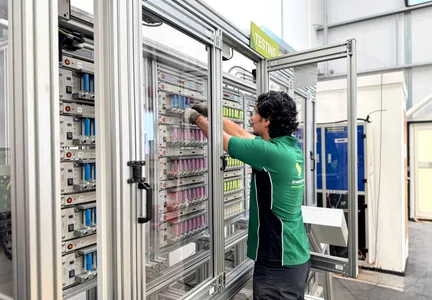
The reason second-life storage has been slower than the arithmetic suggests is that nobody could say with confidence what they were buying. Without cell-level state-of-health data, a second-life system is a bet.
That is a measurement problem, and measurement problems are solvable. Grade every module on real data at the point of disassembly, keep the record attached to the module, and the bet becomes a specification.
What it unlocks
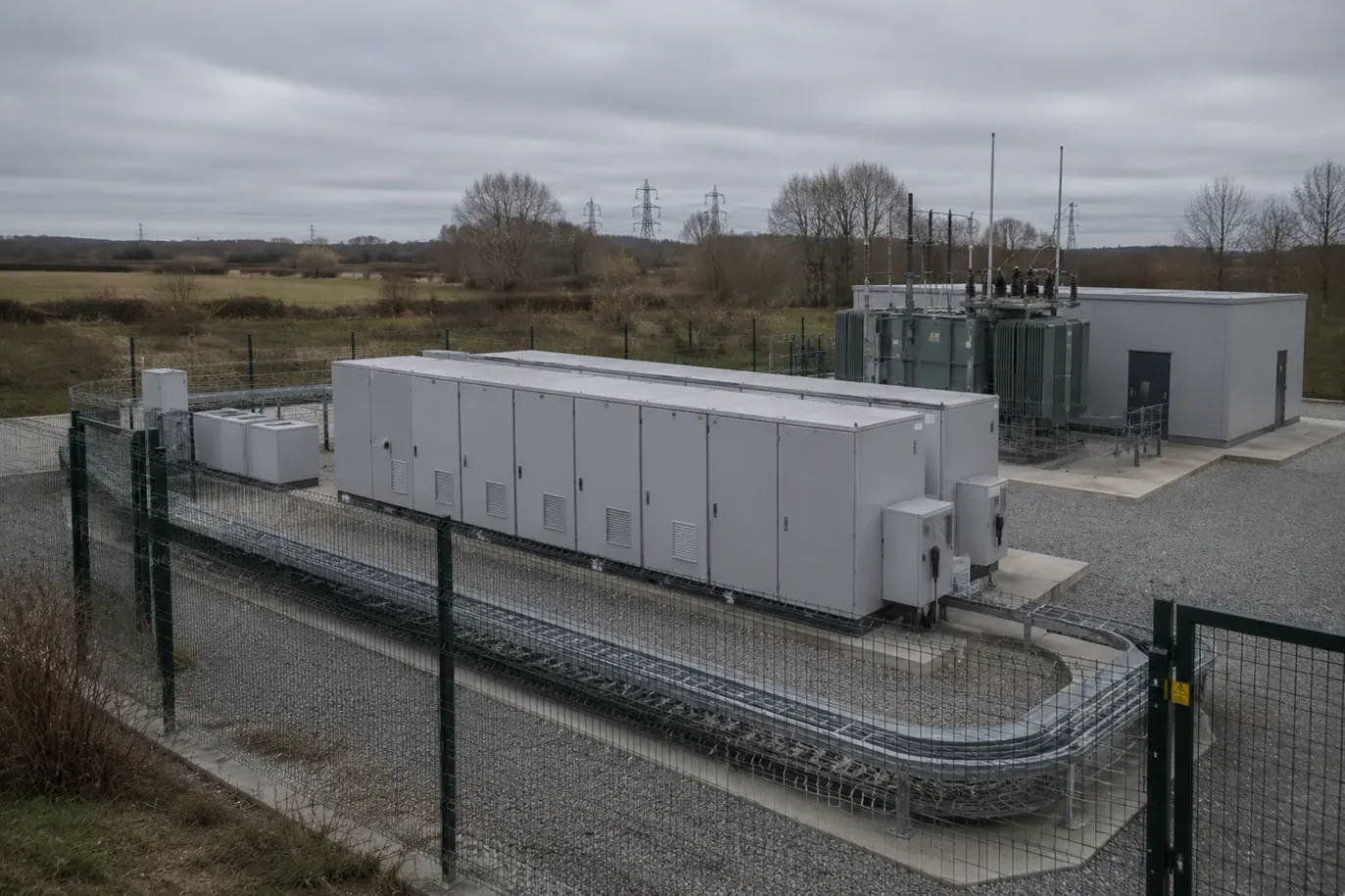
Local renewables need local storage. Building that storage out of cells already inside the country, already manufactured, and already paid for in carbon terms is faster than waiting for new capacity, and it is the only route that adds no new extraction to the balance.