
New York just cut its electric bus order. The battery question did it.
One of the world's biggest transit authorities has trimmed 85 electric buses from its order after its in-service fleet kept failing. The lesson: batteries need a repair route.
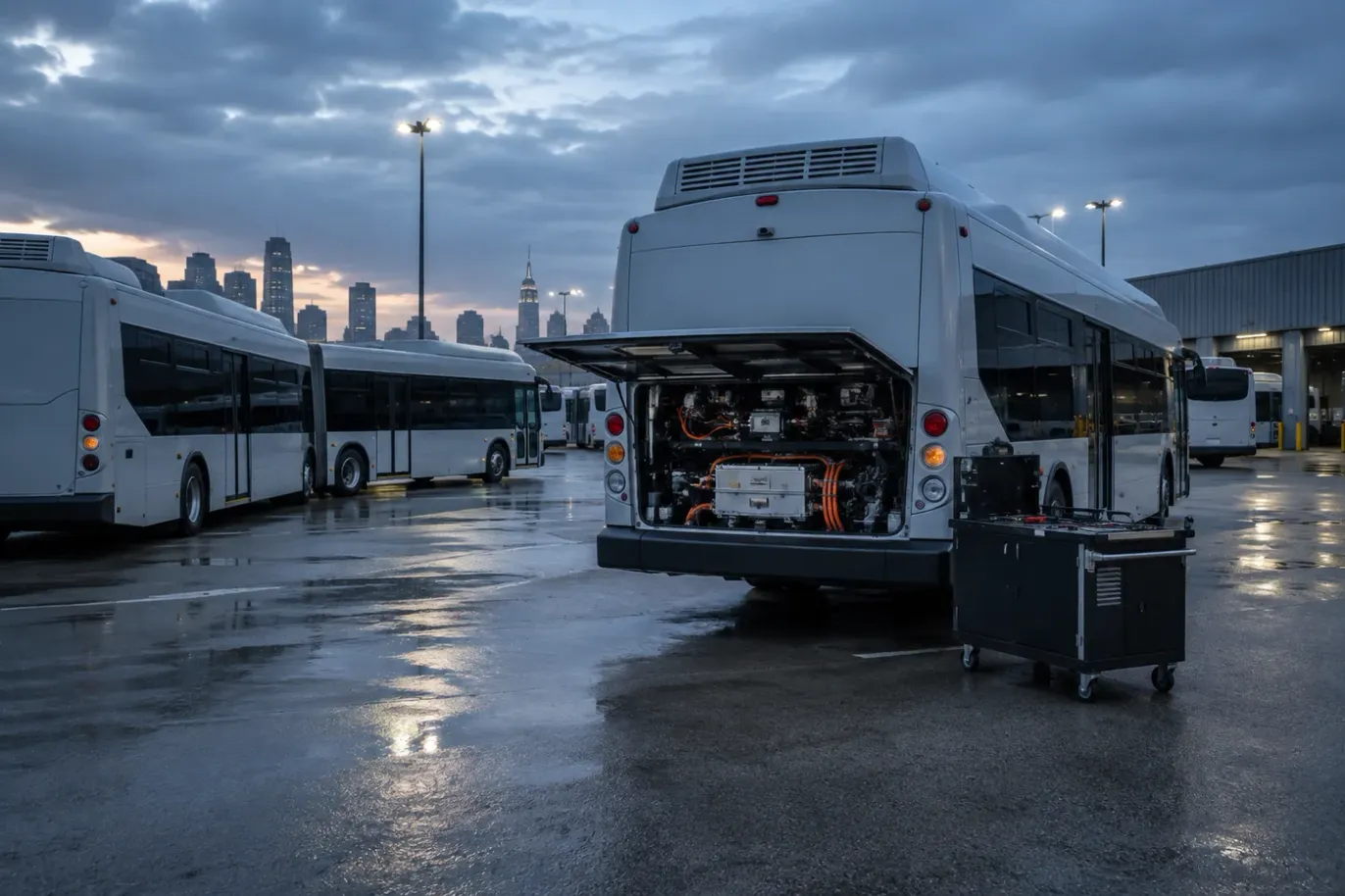
New York’s Metropolitan Transportation Authority runs one of the largest bus operations in the world. This week it made a decision that every fleet operator will recognise the logic of, even if they’d rather not: it cut 85 electric buses from a 380-vehicle order.
The reason sits in the depot. The authority’s 60 in-service electric buses have been breaking down roughly every 2,500 miles, against 8,500 for the diesels they were meant to replace. The faults are overheating batteries and charge that doesn’t last the duty cycle, leaving vehicles bought to be the future as the fleet’s least reliable assets.
Any operator would make the same call. A bus decarbonises its route only if it completes it. Otherwise the cost just moves from the fuel line to the downtime line, and a transit authority answers to passengers and budgets.
The pattern underneath
Strip the New York specifics away and the structure of the problem is one UK operators already know. Electric fleet vehicles are engineered around a battery whose real-world life can fall short of the promise. When a pack fails prematurely, the operator faces a brutal menu: a replacement that may no longer exist if the supplier has moved on or gone under, a vehicle that sits idle while still costing money, or an early exit from an asset that never reached break-even.
Every one of those options writes the pack off, because most of the market has never had a genuine battery repair route. The pack is treated as a sealed fate: working, or scrap.
The missing option
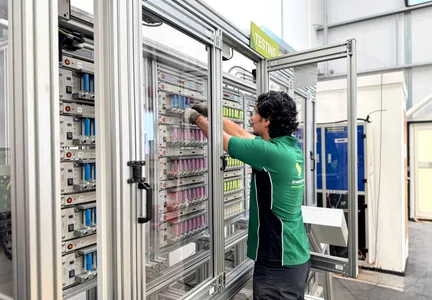
That’s the gap GreenTech Industries was built to close. A failed pack usually still has life in it. Opened with precision and assessed at module and cell level, many hold substantial recoverable life: faults isolated, failed modules regenerated or replaced, and the pack returned to service with evidence of its condition. The vehicle stays electric and the asset gets to finish earning, which gives the operator a third option between limping on and giving up.
Electrification’s hard phase was always going to be this one, when the early hardware ages faster than the support around it. The fleets that come through it best will be the ones with somewhere to send a failed battery.
Source: Streetsblog NYC, “Battery Drain: MTA Trims Electric Bus Order Amid Tech Growing Pains”, 27 July 2026.